
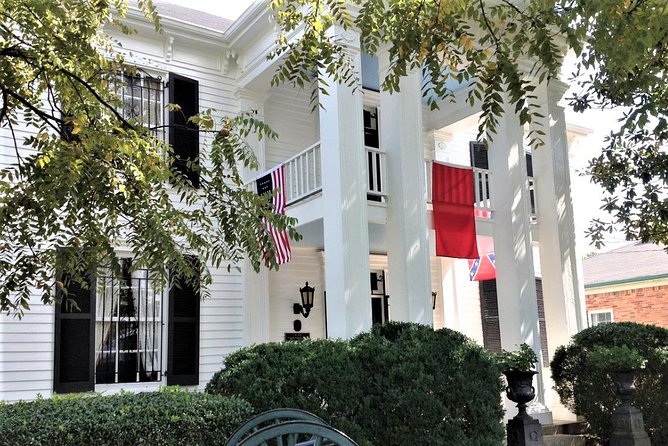
Reviewed · CIVIL WAR & FRANKLIN HISTORY
Civil War Tour with Lotz House, Carter House & Carnton Admission from Nashville
Seven hours, and history hits hard. This Nashville to Franklin Civil War tour focuses on the Battle of Franklin and its aftermath, and I really like how the day is led by guides who bring the stories to life, including Roger and Julie. I also love the up-close, real-site evidence at Lotz House, Carter House, and Carnton. The main drawback: you’ll be standing and walking a fair bit, so wear comfy shoes.
You start in downtown Nashville and ride an air-conditioned shuttle to Franklin, with admissions included at every stop. In between the houses, you get a chunk of free time in Franklin’s historic streets for lunch and browsing at your own pace. The tone stays serious throughout, because these places still show bullet and cannonball damage and blood stains.
If you’re the kind of person who wants more than a basic timeline, this is a strong pick. The guides also seem to care about the details and the human side of the battle—sometimes with enough information to feel like you’re in a good lecture, not a rushed walkthrough.
In This Review
- Key highlights that make this tour worth your time
- From downtown Nashville to Franklin: a smooth start with a small-group pace
- The Battle of Franklin story: why the guides make it click
- Carter House: hundreds of bullet holes where the Union position centered
- Lotz House Museum: the hospital aftermath you can see in the floors
- Carnton Plantation: a Confederate field hospital and the largest private cemetery
- Franklin free time: shopping and lunch on your own schedule
- Timing, walking, and what to pack for comfort
- Price and value at $101.90 per person: what you’re really buying
- Who should book this Nashville Civil War day trip?
- Should you book it?
- FAQ
- How long is the tour, and what time does it start?
- Where is the meeting point in Nashville?
- What admissions are included?
- Is lunch included in the price?
- Does this tour involve a lot of walking or standing?
- Can I cancel for a full refund?
Key highlights that make this tour worth your time
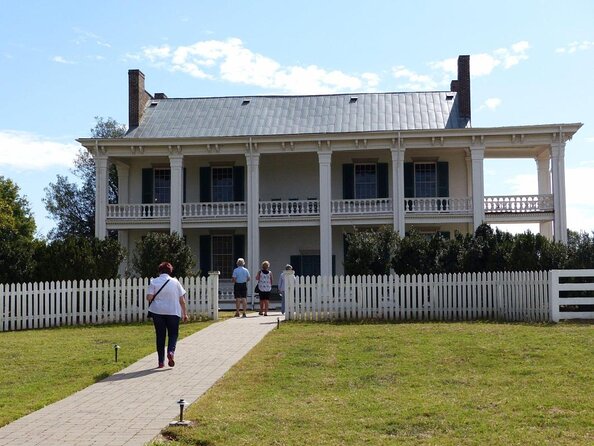
- Battle of Franklin focus: The guide ties the day together around November 30, 1864, often described as the five bloodiest hours of the Civil War.
- Carter House in the Union position: Still marked by hundreds of bullet holes and the feel of command-and-control space.
- Lotz House as a makeshift hospital: Cannonball holes, bloodstained floors, and walls that hit harder in person.
- Carnton Plantation’s Confederate cemetery: A 48-acre farm with a graveyard that’s the largest private Confederate cemetery in the U.S.
- Small-group feel: A maximum of 24 travelers keeps the pacing calmer than big-bus days.
Other Civil War and Franklin history tours from Nashville
- Civil War History Tour – The Battle of Franklin, Tennessee★ 4.9 · 85 reviews
- The Dinner Detective Murder Mystery Dinner Show – Franklin, TN★ 4.5 · 35 reviews
- Private Arrington Wine and Franklin Dine Tour from Nashville★ 5.0 · 4 reviews
- Arrington Wine and Franklin Dine Private Tour from Nashville★ 4.0 · 4 reviews
From downtown Nashville to Franklin: a smooth start with a small-group pace
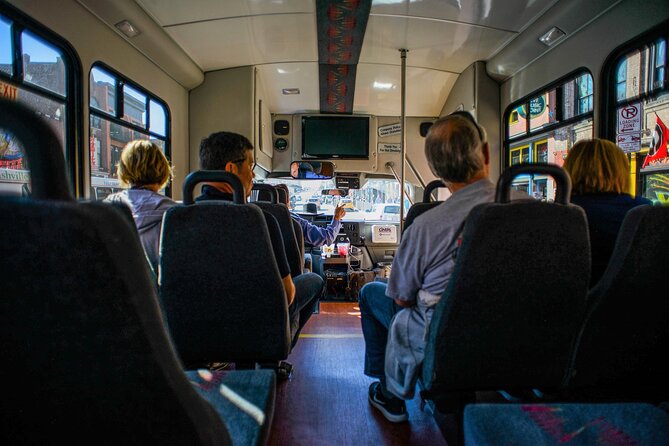
The day begins at 108 1st Ave S, downtown Nashville, at 9:00 am, meeting at the Riverfront Train Station area. You’ll want to arrive about 15 minutes early so you’re not scrambling to find your group when the shuttle pulls out.
Transportation is part of the value here. You’re on an air-conditioned shuttle round-trip, and with a maximum of 24 people, the whole schedule feels tighter and more manageable. You’ll also get a mobile ticket, and the tour is offered in English.
This setup matters because the day is built around three sites that are physically separate from each other. If you’re trying to self-drive or coordinate rides, you’d spend time figuring out directions, parking, and admissions on your own. Here, you can focus on the story and just show up.
The Battle of Franklin story: why the guides make it click
The heart of this tour is the Battle of Franklin, fought on November 30, 1864. The guide frames it as the five bloodiest hours of the Civil War, and that phrase isn’t just trivia. It sets expectations for how intense the fighting was and why these houses in Franklin matter so much.
What I like about this approach is how it connects place to action. When you walk into Carter House, then Lotz House, then Carnton, the battle isn’t floating in midair as a textbook diagram. The guide’s narration helps you picture what each building was for—command space, hospital space, and later memorial space—so you understand why people’s days and choices got so distorted by what happened outside their doors.
You’ll also hear stories grounded in the human side of the battle: residents who were living in town while the fighting raged nearby. Some people may find the narration dense at times, so if you prefer a slower, simpler explanation, mentally prepare for a lot of detail in a short day.
Carter House: hundreds of bullet holes where the Union position centered
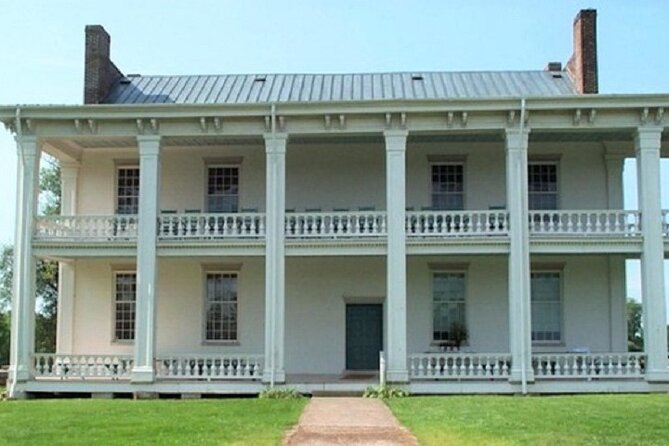
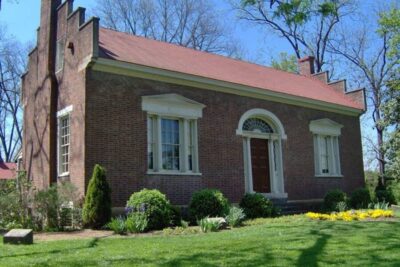
Carter House is your first major “scar on the wall” stop, and it’s powerful in a very specific way. This house sits at the center of the Union position during the battle, and it still shows damage that makes the battle feel immediate rather than historical.
The exterior and outer buildings still show hundreds of bullet holes. That detail changes how you look at the house. Instead of imagining fighting as something far away, you can stand there and see that this was a lived-in place getting hit directly as the battle played out.
This stop also works well for first-time Civil War learners because it gives you a clear organizing idea: who controlled the space, what the house was used for, and how that relates to what happened around it. If you like your history with clear geography and cause-and-effect, Carter House delivers.
A practical note: because you’re moving from one house to another, you’ll want to pace yourself. Bring a mindset of short focus blocks: take in the damage, listen to the explanation, then step back for a minute to process.


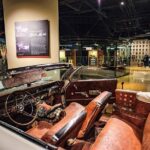
Lotz House Museum: the hospital aftermath you can see in the floors
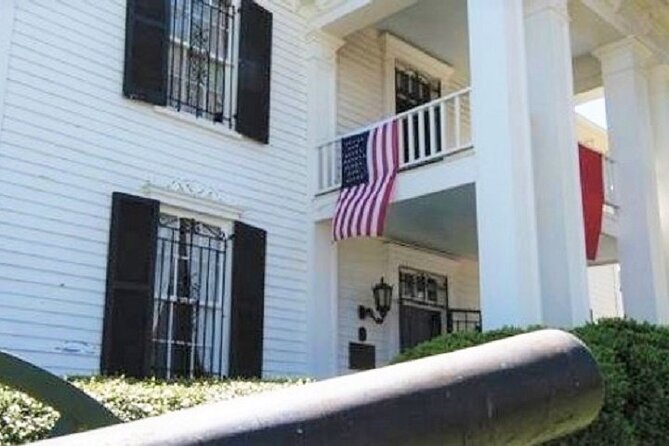
Lotz House is where the tone can turn especially heavy. After the battle, the house became a makeshift field hospital, and the museum keeps battle scars visible—cannonball holes and bloodstained floors and walls.
This is the kind of stop where your eyes keep returning to the same spots. You might start by listening to the story, but then your brain flips to: how could normal life continue in rooms like this? That’s the learning here. The damage and stains become teaching tools, not just dramatic visuals.
I also like that the guide at Lotz House can add personality to the facts. One standout name from the day is Thomas Cartwright, whose stories and anecdotes help make the experience feel specific to Franklin and to the families caught up in it. If you’re someone who remembers details better when they’re told through real scenes, this kind of storytelling can stick with you longer than a standard museum lecture.
Possible drawback: if you’re someone who needs lots of quiet breaks, this site can feel emotionally intense. There’s no dodging that, because it’s the point of the place. Consider it if you’re traveling with kids or anyone who doesn’t handle graphic reminders of violence well.
Carnton Plantation: a Confederate field hospital and the largest private cemetery
Carnton Plantation is a 48-acre farm, and the tour treats it as both a wartime location and a place of long memory. During and after the Battle of Franklin, it served as a Confederate field hospital, ordered to be used as such by a Southern general. Later, the mistress of the house helped turn it into an eternal memorial for the Confederate soldiers.
Then you go to the part that many history buffs say is the hardest to forget: the graveyard for Confederate soldiers who perished. It’s described as the largest private Confederate cemetery in the United States, which gives you scale fast. It’s not just a few markers. It’s a dedicated resting place designed to be seen and remembered.
In practical terms, Carnton is also a great “big picture” stop. By the time you’re here, you’ve already seen Carter House and Lotz House, and you’ve heard how the battle moved through the town. Carnton helps you understand the aftermath—what happened when the fighting stopped, and how communities tried to carry the dead and their meaning forward.
If you’re the type who wants context for how history changes a place over time, Carnton delivers. You’re seeing wartime function, then post-war remembrance, in one setting.
Franklin free time: shopping and lunch on your own schedule

After the house stops, you get free time in the quaint historic town of Franklin. This is where you can stretch your legs, get food at your own pace, and wander the historic areas without a guide herding you from doorway to doorway.
Lunch is on your own expense. Many people seem to appreciate having the chance to grab something local rather than feeling stuck with a pre-paid meal. One common timing comment is that the lunch window can feel around 75 minutes—enough to eat and walk a bit, but still not a full afternoon.
This is also where I’d advise you to plan lightly. Pick a couple of nearby restaurants before you go, and decide whether you want more food time or more shopping time. Some people felt the time in Franklin was a bit rushed, especially if you want a slower browse.
If you’re traveling with someone who doesn’t love war-related sites as much, Franklin’s main streets can be a nice reset in the middle of a heavy day.
Timing, walking, and what to pack for comfort
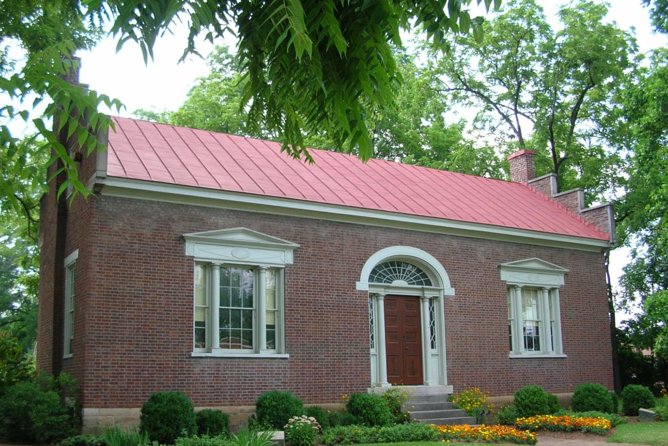
This is a full-day schedule, about 7 hours, with multiple stops that require standing and walking for long periods. Even if you’re comfortable on your feet, you’ll likely spend plenty of time upright listening to narration and then moving between rooms and outdoor areas.
That means your #1 packing item is simple: comfortable shoes. A review specifically called out the need for footwear that can handle extended standing. You’ll be happier if you also bring layers. Museums and historic buildings can vary in temperature, and the shuttle ride can be cooler than you expect.
One more practical tip from the reviews: bring a bottle of water. The idea is basic—don’t rely on being able to grab refreshments instantly between stops. With a packed schedule, small breaks matter.
If you’re sensitive to strong emotions, it helps to know in advance that Lotz House includes visible evidence of bloodstains. You don’t need to be worried, just informed, so you can mentally pace yourself.
Price and value at $101.90 per person: what you’re really buying
At $101.90 per person, this tour doesn’t feel like a bargain in the sense of being cheap. But it often feels fair when you look at what’s included: round-trip air-conditioned shuttle from downtown Nashville, a guided day built around the Battle of Franklin, and admission tickets for all three major sites—Lotz House, Carter House, and Carnton Plantation.
For many people, the real value is the structure. You avoid driving and parking hassles, you avoid juggling three separate admission tickets, and you get guided narration that connects the sites into a coherent story. That’s especially important here because each stop tells a different slice of the same battle.
The guide quality also shows up repeatedly in the praise. Names that came through in reviews include Roger, Julie, and bus driver Jeff, along with Nick mentioned for the driving experience. A recurring theme is that the guides love the subject and communicate it in a way that feels personal, not robotic. That’s not just “nice to have.” On a day like this, it’s the difference between reading facts and actually understanding why each place matters.
Balanced reality check: the schedule is busy. If you strongly prefer more downtime, fewer stops, and less walking, the price may start to feel less “worth it” because the day’s pace is the product.
Who should book this Nashville Civil War day trip?
This works best for people who:
- want the Battle of Franklin explained through real locations, not just a general overview
- enjoy guided interpretation and storytelling that ties the town to the battle
- love hands-on museum experiences, including sites that still show physical scars
- want a one-day plan that handles transportation and admissions for you
It may not be the best fit for people who:
- get uncomfortable with long standing and walking
- want a lighter, more casual sightseeing day
- need a lot of quiet time for reflection, since the tone can be intense at Lotz House and in the cemetery setting at Carnton
Family note: at least some families love this format, especially when the guides focus on how ordinary life intersected with the battle. Still, consider your child’s comfort level with heavy subject matter.
Should you book it?
Yes, if your ideal day includes guided Civil War storytelling plus three major Franklin sites that still show the battle’s mark. You’ll come away with a clearer sense of how the Battle of Franklin unfolded across specific buildings—and why those buildings became hospitals and later memorial spaces.
Book it if you like learning from guides who genuinely care and can put the battle into a story you can follow. I’d also book it if you’re practical about logistics and you’d rather pay for a handled day than coordinate rides, tickets, and timing on your own.
Don’t book it (or pack a strategy) if you need lots of downtime, or if you know you’ll struggle with standing/walking for long stretches or with the emotional weight of visible wartime reminders. With the right shoes, some water, and a mindset for a serious day, this one is a strong choice.
FAQ
How long is the tour, and what time does it start?
The tour runs about 7 hours and starts at 9:00 am.
Where is the meeting point in Nashville?
You meet at 108 1st Ave S, Nashville, TN 37201, at the Riverfront Train Station area.
What admissions are included?
Admission tickets are included for Lotz House Museum, Carter House, and the Carnton Plantation.
Is lunch included in the price?
No. Lunch is on your own in downtown Franklin, where you’ll also have free time to shop and view historic sites.
Does this tour involve a lot of walking or standing?
Yes. Plan for standing and walking for long periods, and wear comfortable shoes.
Can I cancel for a full refund?
Yes. You can cancel up to 24 hours in advance for a full refund, as long as you meet the cutoff based on the tour’s local start time.
More Battlefields Around Franklin
- Civil War History Tour – The Battle of Franklin, Tennessee★ 4.9 · 85 reviews
- The Dinner Detective Murder Mystery Dinner Show – Franklin, TN★ 4.5 · 35 reviews
- Private Arrington Wine and Franklin Dine Tour from Nashville★ 5.0 · 4 reviews
- Arrington Wine and Franklin Dine Private Tour from Nashville★ 4.0 · 4 reviews
- Battle at Belle Meade Civil War Tour & Complimentary Wine Tasting★ 5.0 · 3 reviews
Fresh on the Nashville review desk




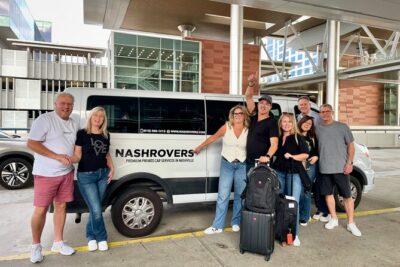
Civil War & Franklin History, compared.
 ★ 4.9Civil War History Tour – The Battle of Franklin, TennesseeFrom $9385 reviews
 ★ 4.8Franklin: Ghost Tour in Historic FranklinFrom $2565 reviews
 ★ 4.5The Dinner Detective Murder Mystery Dinner Show – Franklin, TNFrom $9535 reviews
 ★ 4.4Franklin: Trolley Hop-On and Hop-Off TourFrom $3914 reviews
 ★ 5.0Private Arrington Wine and Franklin Dine Tour from NashvilleFrom $2994 reviews
 ★ 4.0Arrington Wine and Franklin Dine Private Tour from NashvilleFrom $2294 reviews
 ★ 5.0Battle at Belle Meade Civil War Tour & Complimentary Wine TastingFrom $333 reviews
Browse the lists this tour appears in