
Reviewed · DOWNTOWN WALKING TOURS
Downtown Nashville Guided Sightseeing Walking Tour
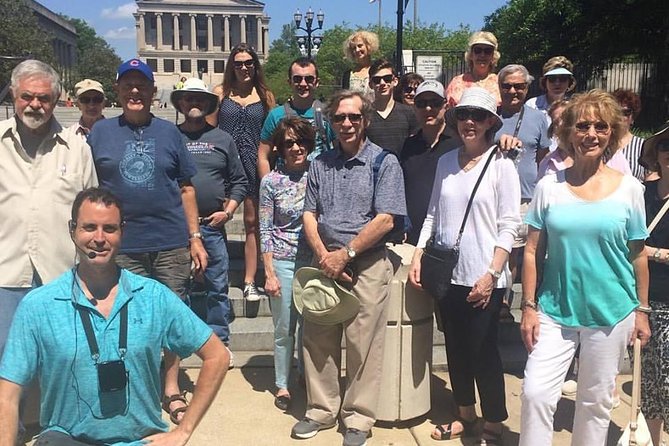
Nashville stories start on Broadway. This guided walking tour strings together honky-tonk legends and downtown landmarks into a walk you can actually use, from the Ryman’s roots to the places where famous musicians learned to play. I love the fully narrated storytelling that makes each stop feel connected, and I also like the guide style—fun, fast, and built for keeping a group moving. One thing to consider: the pace can feel punchy, and like any live tour, timing can slip if the guide is delayed.
You’ll cover key sights on foot in about two hours, plus get practical context for what to do next. It’s family friendly and sized like a small experience rather than a big bus event, with a max group size of 20. If you’re sensitive to hearing other opinions mixed into history, pay attention to the vibe your group gets.
In This Review
- Key Points You’ll Care About
- Two Hours of Nashville, Built for First Timers
- Starting at 501 Broadway: Where the Honky-Tonk Universe Begins
- Ryman Auditorium: The “Mother Church” Stop That Changes How You See Music City
- Tootsie’s Orchid Lounge and the Honky-Tonk Reality Check
- The Ernest Tubb Record Shop Moment: Where Country Starts Turning Into Legends
- George Jones Stop: Learning the Names That Built the Sound
- Fort Nashborough and the Cherokee Timeline: Nashville Before It Was Nashville
- Printer’s Alley: The Famous Alley and Why People Loved It So Much
- Skull’s Rainbow Room: When the Stories Get Darker (In a Fun Way)
- Woolworth on Fifth and Downtown Public Square: Nashville’s Harder Chapters
- Cherry Street and the Chet Atkins Statue: Pay Your Respects, Then Move On
- Tennessee State Capitol and Downtown Presbyterian Church: A Softer End Note
- Pace, Groups, and What to Bring for a Comfortable Walk
- Price Value Check: What $25 Buys You in Real Life
- Who Should Book This Walking Tour (and Who Might Skip It)
- Should You Book Downtown Nashville Guided Sightseeing?
- FAQ
- How long is the Downtown Nashville guided walking tour?
- How much does the tour cost?
- Where do I meet the guide?
- What time does the tour start?
- Is the ticket mobile?
- How many stops and areas are included?
- Who leads the tour?
- Is it family friendly?
- What happens if the weather is bad?
- Is there free cancellation?
Key Points You’ll Care About
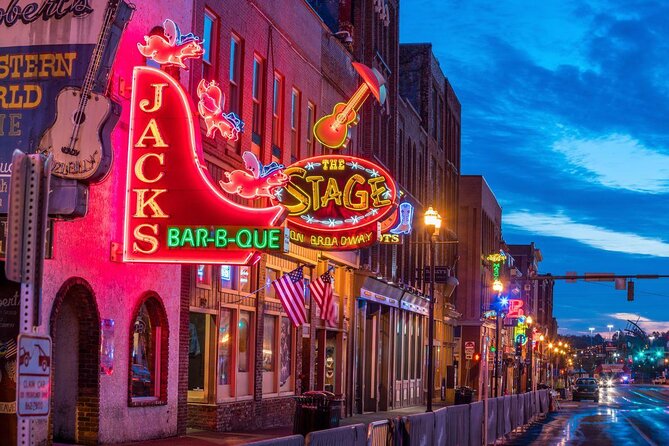
- A tight, walkable route linking 5th and Broadway to the Riverfront area and back
- Story-first guiding that focuses on why each place matters, not just what it is
- Honky-tonk icons up close like Ryman Auditorium, Tootsie’s, and the Ernest Tubb Record Shop
- Music meets older Nashville with Fort Nashborough and early settlement context
- City layers in plain language from Andrew Jackson duels at Public Square to civil-rights sit-ins around Woolworth on Fifth
- Small-group feel designed to keep the walk comfortable and the sound clear with a portable mic/speaker
Other guided walks around downtown Nashville
- Downtown Nashville Guided Sightseeing Walking Tour★ 5.0 · 1,304 reviews
- Walking Food & Drink Tour of Downtown Nashville★ 5.0 · 1,140 reviews
- Delicious Donuts of Nashville: A Sweet City Walking Adventure★ 5.0 · 979 reviews
- The Ghosts of Nashville Night-Time Walking Tour★ 4.5 · 799 reviews
Two Hours of Nashville, Built for First Timers
This tour is built for the day you arrive and want to stop guessing. Instead of just walking downtown, you get a guided thread that ties together music, politics, and even street-level “how did this happen?” backstory.
At $25 per person for roughly two hours, the value is in the guide’s structure: you’ll hit the major landmarks without wasting time figuring out a route. And because it’s a walking tour, you can later return to the spots you care about most—this works especially well if you’re planning your first full day in town.
Starting at 501 Broadway: Where the Honky-Tonk Universe Begins
The meeting point is 501 Broadway in downtown Nashville. The tour starts where most people want to be—at the core of the honky-tonk area—so right away you get oriented to the grid, the flow of streets, and where the big landmarks sit.
What I like here is that the early minutes set expectations. You’re not waiting around for the real tour to begin; you start with context for how 5th and Broadway became Nashville’s famous collision of music, crowds, and characters.
Ryman Auditorium: The “Mother Church” Stop That Changes How You See Music City
One of the first major stops is Ryman Auditorium. Even if you’ve heard the legends, a guided walk through the surrounding story adds clarity fast—why this venue is called the Mother Church of country music and why it’s still central to Nashville’s identity.
You also get a bigger picture of how Nashville’s music scene formed, not just the headline facts. The tour keeps the stop short, which is good: it gives you the key idea without dragging time away from the rest of the route.


Tootsie’s Orchid Lounge and the Honky-Tonk Reality Check
Next up is Tootsie’s Orchid Lounge, billed as one of the world’s most famous honky-tonks. This is a smart stop because it’s not only about a famous address—it’s about how honky-tonk culture operates as a living performance ecosystem.
I like that the tour doesn’t pretend the scene is all neat and clean. You learn how this place fits into Nashville’s reputation for bold characters and loud nights, while still keeping it family friendly overall.
The Ernest Tubb Record Shop Moment: Where Country Starts Turning Into Legends
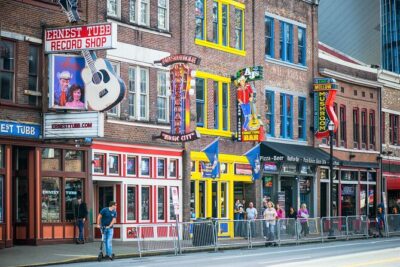
You’ll also pass by the Ernest Tubb Record Shop. It’s framed as a stepping stone to getting on the Opry, and you’ll get the kind of local detail that usually only makes sense once you’re standing on the sidewalk.
There’s something practical here: if you’re the sort of person who loves connecting pop-culture dots, this stop gives you a reason to care about a store beyond souvenirs. Even better, it helps you understand the music industry pathway from the ground up.
George Jones Stop: Learning the Names That Built the Sound
The tour includes a stop for George Jones. This part works because it ties a big name to the city’s everyday streets, rather than leaving you with just a museum-style biography.
The guide style matters here. In the best tours, a stop like this turns into a quick storyline that makes the person feel real, not just famous. If your group gets a lively guide, you’ll likely enjoy the energy around this one.
Fort Nashborough and the Cherokee Timeline: Nashville Before It Was Nashville
Then the tour shifts gears and gives you a longer view of time. You’ll reach Fort Nashborough and hear how the Cherokee lived in the area undisturbed for thousands of years before early Anglo settlement west of the Appalachians.
This is one of the more important segments of the entire walk. It keeps the tour from becoming only a music-only loop, and it helps you understand why Nashville’s downtown exists where it does—because the story started long before the stages and souvenir shops.
Printer’s Alley: The Famous Alley and Why People Loved It So Much
Printer’s Alley is next, and it’s presented as a famous hangout that’s earned its reputation over time. The tour connects this alley to musicians across genres and eras, which helps you see how Nashville’s nightlife wasn’t just accidental—it grew from local creative communities.
I also like that the tour frames the “seedy, fun side” without turning it into a lecture. You get the sense of the alley as a stage for people chasing gigs, practice, and connections.
Skull’s Rainbow Room: When the Stories Get Darker (In a Fun Way)
The walk includes Skull’s Rainbow Room, a stop packed with music-industry names. You’ll hear that this is where multiple major artists were linked to the room’s reputation, and the guide is set up to tell stories connected to the place.
One practical bonus: the tour tends to keep audio clear even with street noise. A portable speaker setup is mentioned in guide experiences, and that helps a lot if you’re trying to listen without juggling earphones.
Woolworth on Fifth and Downtown Public Square: Nashville’s Harder Chapters
Downtown Nashville includes the Woolworth on Fifth area, described as ground zero for civil-rights sit-ins in the 1960s. This stop matters because it shows Nashville’s story isn’t only music—it also includes painful injustice and organized resistance.
You’ll also hear stories connected to Andrew Jackson’s duels at Nashville Public Square. That mix—politics, violence, and the built environment—creates an interesting contrast with the honky-tonk stops, and it helps you see downtown as layers rather than one single vibe.
Tip for you: if you want to ask questions, this is a good time to do it. The tour covers a lot of sharp topics, and asking one or two follow-ups can turn the walk from fun history into real understanding.
Cherry Street and the Chet Atkins Statue: Pay Your Respects, Then Move On
The tour turns up Cherry Street for Chet Atkins’ statue. It’s a short stop, but it’s a key kind of stop—one that helps you recognize how Nashville publicly honors musicians.
It’s also a helpful reset point in the walk. After the alley stories and heavier downtown topics, the Chet Atkins stop feels like a breath: you’re still in music-country territory, but the tone shifts toward celebration and legacy.
Tennessee State Capitol and Downtown Presbyterian Church: A Softer End Note
Near the end, you’ll pass the Tennessee State Capitol building and stop at the Downtown Presbyterian Church. The church is highlighted for Egyptian Revival architecture, and it’s one of those features that sticks in your memory because it’s unexpected in the middle of downtown.
This final stretch gives you a sense of civic Nashville—how power, worship, and music all share the same city blocks. It also helps you walk away with photos that don’t all look like Broadway.
Pace, Groups, and What to Bring for a Comfortable Walk
Most people experience this tour as a smooth two-hour run-through, with a pace that keeps things moving. Stops are typically short—often around five minutes—so you’ll cover a lot of ground without it feeling like a marathon.
Still, plan for comfort. Some groups note hills and that the shade can make it chilly depending on the day, so bring a light layer if weather looks cool. Comfortable shoes matter because downtown sidewalks plus hills add up.
Sound matters too. If you’re sensitive to noise, choose a spot where you can hear the guide clearly. The portable speaker setup is designed to help, but your own position in the group still affects how easy it is to catch the stories.
Price Value Check: What $25 Buys You in Real Life
At $25 per person, this tour is priced like an affordable way to get the downtown “story map.” The best use of that value is for first-time visits: you’ll learn where everything is, and you’ll know what’s worth revisiting later.
It also helps if you’re traveling with different ages or interests. The tour is family friendly, but it still includes the darker edges of Nashville’s reputation—so it’s not watered down to something dull.
Is it perfect value for everyone? Not if you hate humor or want a more academic history format. One less-than-stellar experience mentions the guide being late and the tour going into personal viewpoints that didn’t land for everyone. So if politics are a dealbreaker for you, go in knowing the guide may bring personality to the stories.
Who Should Book This Walking Tour (and Who Might Skip It)
Book it if:
- You’re on your first day in Nashville and want quick orientation
- You like music stories tied to real places
- You want a fun walk that includes tougher historical context
- You’ll benefit from a guide’s recommendations for what to do next
You might skip it if:
- You dislike fast-paced tours where Q&A waits until later
- You need a strict, neutral tone every minute
- You’re not comfortable walking downtown for about two hours
Should You Book Downtown Nashville Guided Sightseeing?
I think this is a strong pick for most people heading to Nashville for the first time. The route hits big names like Ryman Auditorium and Tootsie’s, but it also adds depth with Fort Nashborough and Nashville Public Square stories, so you leave with more than a Broadway snapshot.
If you’re open to humor and personality—and you can handle a packed two-hour schedule—I’d book it. If you want a slow, quiet, academic tour, you may find the pace and style too energetic. Either way, for $25, it’s a low-risk way to get oriented and decide what deserves your next hour of your trip.
FAQ
How long is the Downtown Nashville guided walking tour?
It runs about 2 hours.
How much does the tour cost?
The price is $25.00 per person.
Where do I meet the guide?
The meeting point is 501 Broadway, Nashville, TN 37203, USA.
What time does the tour start?
The start time listed is 10:00 am.
Is the ticket mobile?
Yes, the tour uses a mobile ticket.
How many stops and areas are included?
The route includes multiple downtown highlights such as Ryman Auditorium, Tootsie’s Orchid Lounge, the Ernest Tubb Record Shop, Fort Nashborough, Printer’s Alley, Skull’s Rainbow Room, Nashville Public Square, and more, finishing back near the meeting point.
Who leads the tour?
It’s led by a local guide, and the tour is described as fully narrated.
Is it family friendly?
Yes, the tour is described as family friendly.
What happens if the weather is bad?
This experience requires good weather. If it’s canceled due to poor weather, you’ll be offered a different date or a full refund.
Is there free cancellation?
Yes. Free cancellation is available up to 24 hours in advance for a full refund.
More Nashville on Foot
- Walking Food & Drink Tour of Downtown Nashville★ 5.0 · 1,140 reviews
- Delicious Donuts of Nashville: A Sweet City Walking Adventure★ 5.0 · 979 reviews
- The Ghosts of Nashville Night-Time Walking Tour★ 4.5 · 799 reviews
- “Murder in Music City” Night-Time Ghost Walking Tour of Nashville★ 4.5 · 742 reviews
- Guided Pub Crawl Walking Tour of Downtown Nashville★ 4.5 · 713 reviews
Fresh on the Nashville review desk





Downtown Walking Tours, compared.
 ★ 5.0Walking Food & Drink Tour of Downtown Nashville1,140 reviews
 ★ 5.0Delicious Donuts of Nashville: A Sweet City Walking AdventureFrom $75979 reviews
 ★ 4.5The Ghosts of Nashville Night-Time Walking TourFrom $29799 reviews
 ★ 4.5“Murder in Music City” Night-Time Ghost Walking Tour of NashvilleFrom $34742 reviews
 ★ 4.5Guided Pub Crawl Walking Tour of Downtown NashvilleFrom $25713 reviews
 ★ 5.0Nashville’s Honky-Tonk Walking Sightseeing Pub CrawlFrom $31305 reviews
 ★ 4.5Haunted Nashville Boos and Booze Ghost Walking TourFrom $39262 reviews
 ★ 4.5Music City Food, Drink, Sightseeing Walking Tour along BroadwayFrom $108232 reviews
Browse the lists this tour appears in