
Reviewed · BELLE MEADE & BELMONT MANSIONS
Nashville: Belle Meade Historic Site Journey to Jubilee Tour
A plantation tour with receipts and real emotion. The Journey to Jubilee tour at Belle Meade Historic Site connects the plantation’s story from its start in 1807 through the end of slavery in Tennessee in 1865, focusing on enslavement and contract labor—and the people who survived it.
I especially like how the tour begins in the kitchen house, where skilled work and everyday life get explained with care. I also like that it ends with a complimentary wine tasting at the Belle Meade Winery for ages 21+, giving you a clear moment to step back and reflect.
One consideration: this is mature, sensitive content, and it’s a walking tour, so plan around your comfort level and shoe choice. There’s also no wheelchair rental on-site, so if mobility is a concern, plan carefully.
In This Review
- Key Things to Know Before You Go
- What You’re Really Signing Up For in This 60-Minute Tour
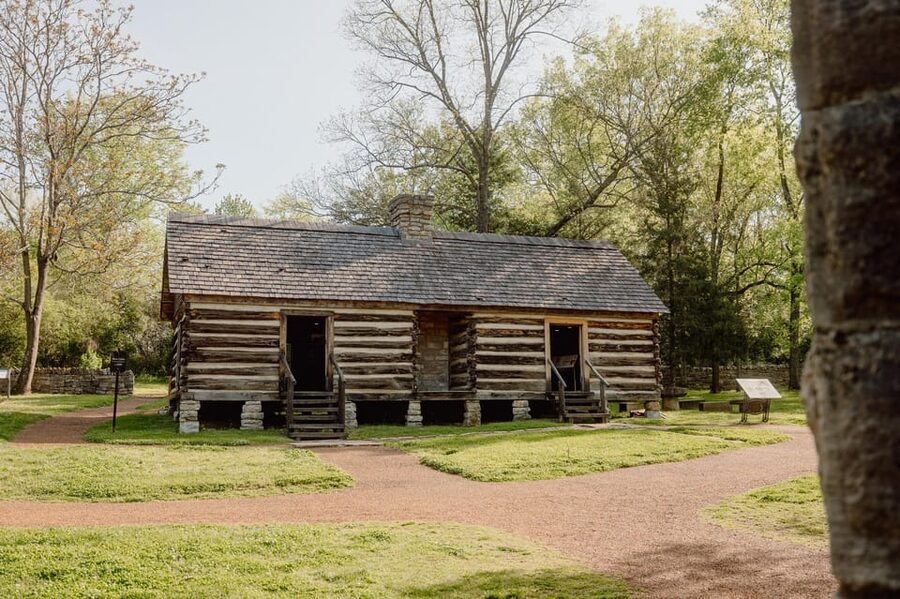
- Entering the Kitchen House: Where Work and Skill Meet the Hard Parts
- Walking Across the Plantation Grounds: Enslavement, Contract Labor, and Survival
- The Guides Make It Personal: Taegan and Melissa at the Helm
- Beyond Emancipation: Black Heritage and the Thread Into Thoroughbred Racing
- Gardens, Historic Outbuildings, Trails, and the Stuff You Can See After
- The Complimentary Wine Tasting at Belle Meade Winery (21+)
- Price and Value: Is $33 Actually a Good Deal?
- Who Should Book This Tour (and Who Might Want to Rethink It)
- Should You Book the Nashville Journey to Jubilee Tour?
- FAQ
- How long is the Journey to Jubilee tour?
- What does the tour cost?
- Is the wine tasting included, and who can do it?
- Where do I check in for the tour?
- Is this tour suitable for kids?
- Are pets or wheelchairs allowed on-site?
Key Things to Know Before You Go
- Kitchen house start: you begin where many skilled laborers’ day-to-day work would have happened
- Clear timeline (1807–1865): the tour follows major turning points through the plantation era
- Enslavement plus contract labor: you’ll hear how forced labor didn’t simply vanish overnight
- Black heritage in thoroughbred racing: the story doesn’t stop at emancipation; it tracks legacy in horse racing
- 21+ wine tasting included: a complimentary tasting ends the tour, if you’re old enough
- Wear walking shoes: you’ll move around the property, including gardens and historic areas
More Belle Meade and Belmont mansion visits in Nashville
- Belle Meade Guided Mansion Tour with Complimentary Wine Tasting★ 4.5 · 2,189 reviews
- Journey to Jubilee Guided Tour at Belle Meade with Wine Tasting★ 4.5 · 396 reviews
- Belmont Mansion General Admission Ticket in Nashville★ 4.5 · 251 reviews
- Nashville: Belle Meade Historic Mansion Tour★ 4.8 · 63 reviews
What You’re Really Signing Up For in This 60-Minute Tour
This isn’t a casual stroll for photos. The Journey to Jubilee walk is built around tough stories—perseverance and survival in the face of slavery and forced labor—presented in a structured way over about 60 minutes.
The guides keep the pace steady, but the subject matter takes time to absorb. You’ll walk past meaningful points around the property, with explanations grounded in research and primary sources.
If you want a plantation visit that treats history as human experience, this tour is set up for that. If you want scenery first and story second, you may find it heavy.
Entering the Kitchen House: Where Work and Skill Meet the Hard Parts
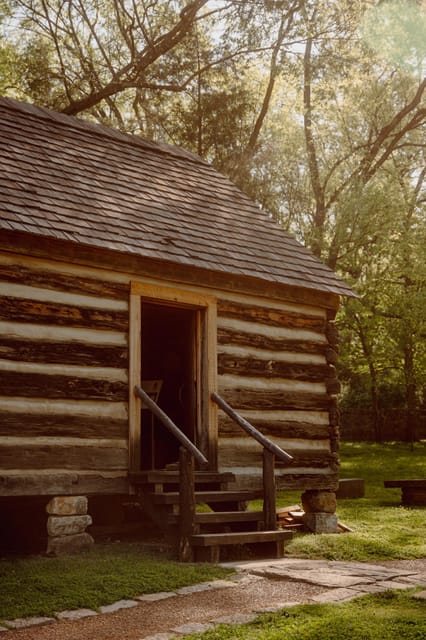
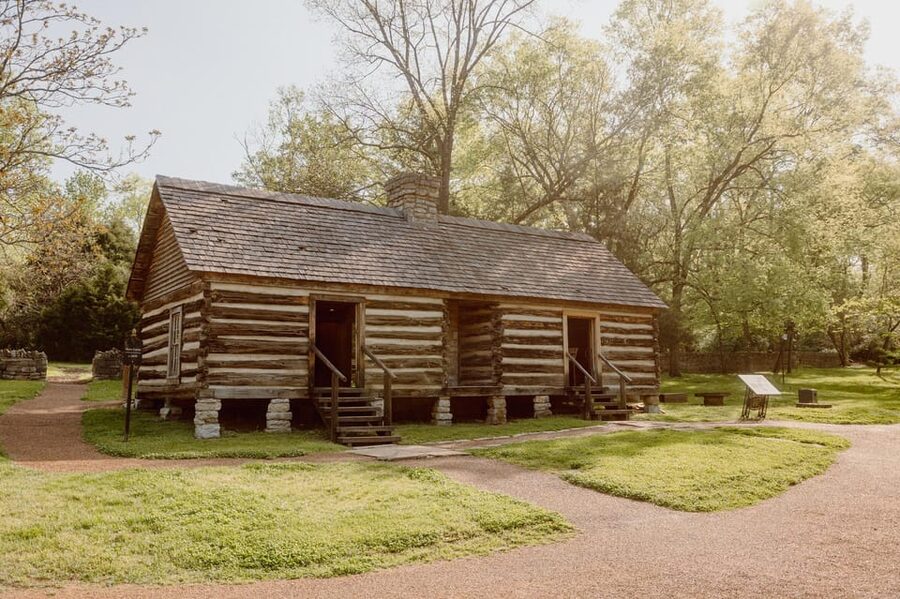
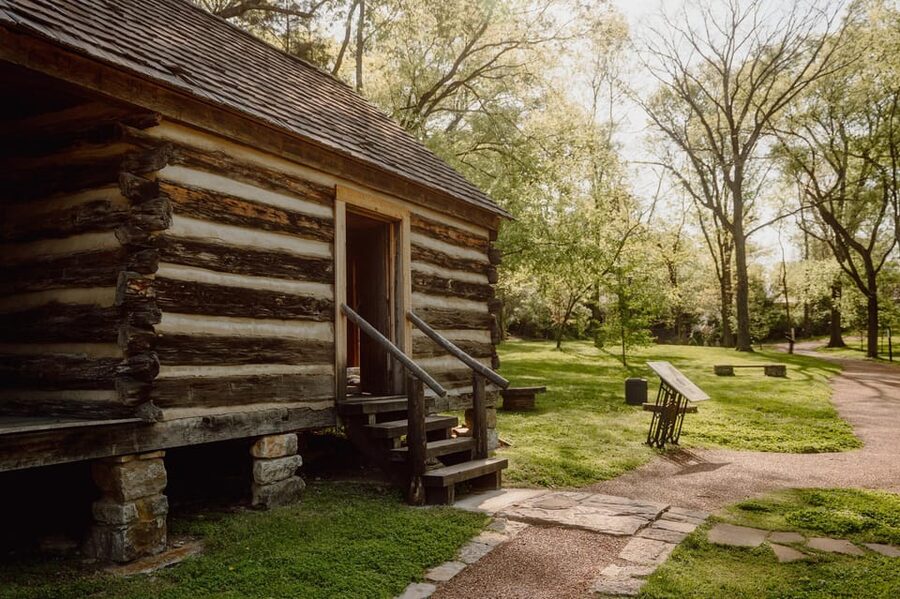
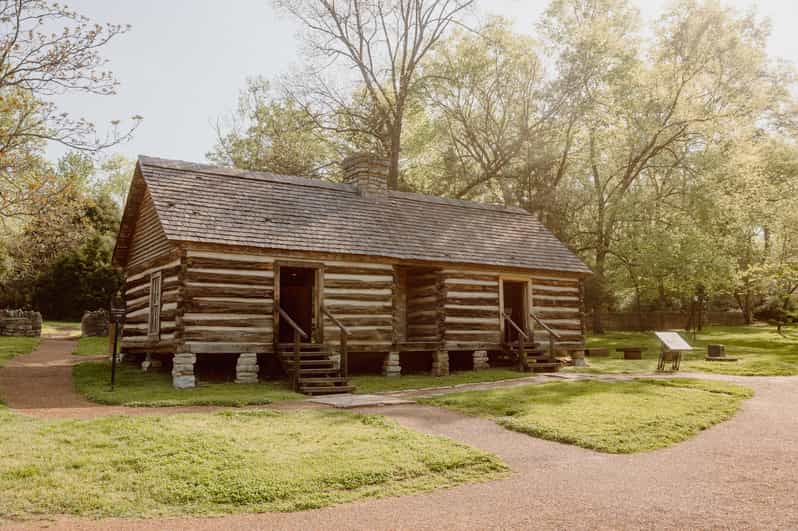
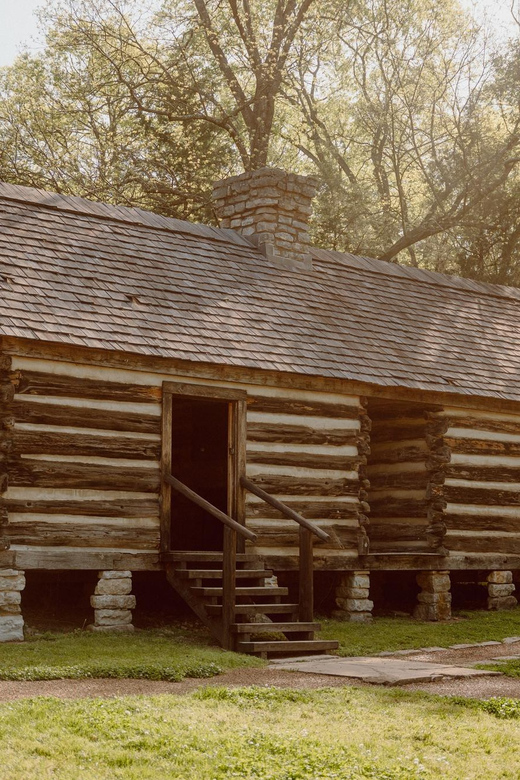
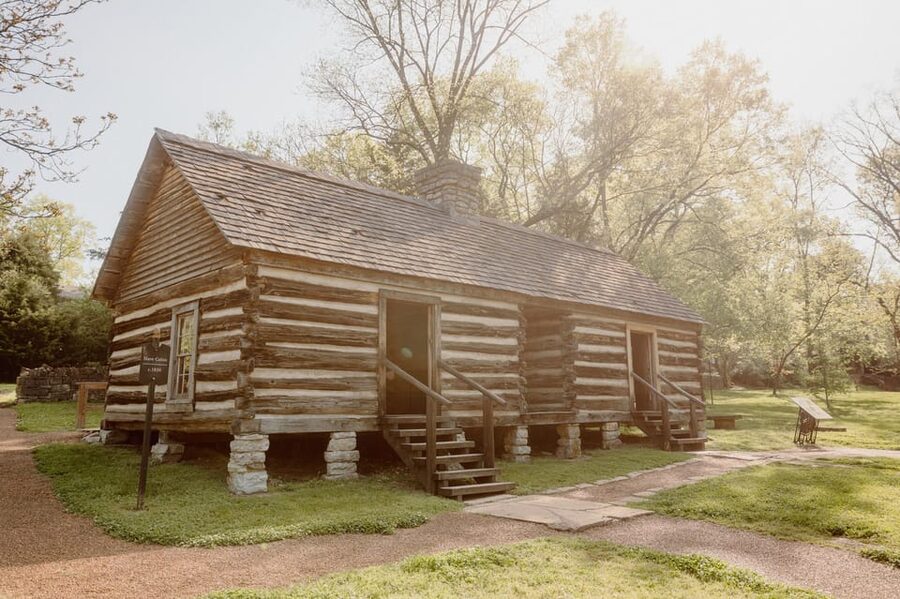
The tour starts inside the historic kitchen house, and that choice matters. You’re not only hearing broad facts about the plantation system; you’re learning about different types of labor and the skills the enslaved people were forced to perform.
This is where the tour helps you shift your mindset from numbers to people. You’ll hear how the kitchen house functioned in daily life and why it was central to feeding and supporting plantation operations.
The tone is respectful and serious. It’s also practical, because once you understand the work happening inside, the later stops across the grounds make more sense.
Walking Across the Plantation Grounds: Enslavement, Contract Labor, and Survival
After the kitchen house, you move through several points across the property. The goal is to connect those physical locations to what happened there—so you can picture daily life rather than just memorize dates.
The tour covers the plantation’s arc from 1807 through the period leading to emancipation in Tennessee in 1865, including the broader meaning of the 13th Amendment’s adoption in the state during that transition. You also learn about enslavement and later contract labor, which is a key detail many visitors don’t expect to hear in the same breath.
I like the way the tour balances “what the system did” with “what people endured.” It’s not only describing cruelty. It’s also addressing persistence—how people survived, adapted, and carried their humanity even when the system tried to erase it.
One practical note: because it’s a walking tour, you’ll want to stay present rather than constantly checking where the group is going. Comfortable shoes help you focus on the story instead of your feet.
More history walks around Nashville



The Guides Make It Personal: Taegan and Melissa at the Helm
A tour like this lives or dies on the guide’s delivery. In the real-world execution, you’ll see that professional, patient guiding makes a difference—especially for mixed-age groups or anyone who needs a slightly slower pace.
I’m glad the tour is led by live English-speaking guides, since the subject matter benefits from the chance to ask questions. One guide named Taegan stood out for being very knowledgeable and patient with an older group on her tour, and another guide named Melissa was noted as professional and knowledgeable.
Even without naming every detail, the pattern is clear: the best moments come when the guide can connect locations to lived experiences. If you like tours where the explanation feels human and structured, you’re in the right place.
Beyond Emancipation: Black Heritage and the Thread Into Thoroughbred Racing
A unique part of this tour is that it doesn’t end with the end of slavery. It looks at the legacy of Black Heritage in thoroughbred horse racing, which helps you see how history continues in American culture long after laws change.
You’ll learn about how the racing world connects to Black heritage, so you’re not leaving with only the plantation era in your head. Instead, you get a longer view of how skills, labor, and communities shaped industries—then how that legacy endured.
This section is valuable because it fights the common “history as a closed chapter” feeling. You leave thinking about continuity: how people’s impact traveled forward in surprising ways.
Gardens, Historic Outbuildings, Trails, and the Stuff You Can See After
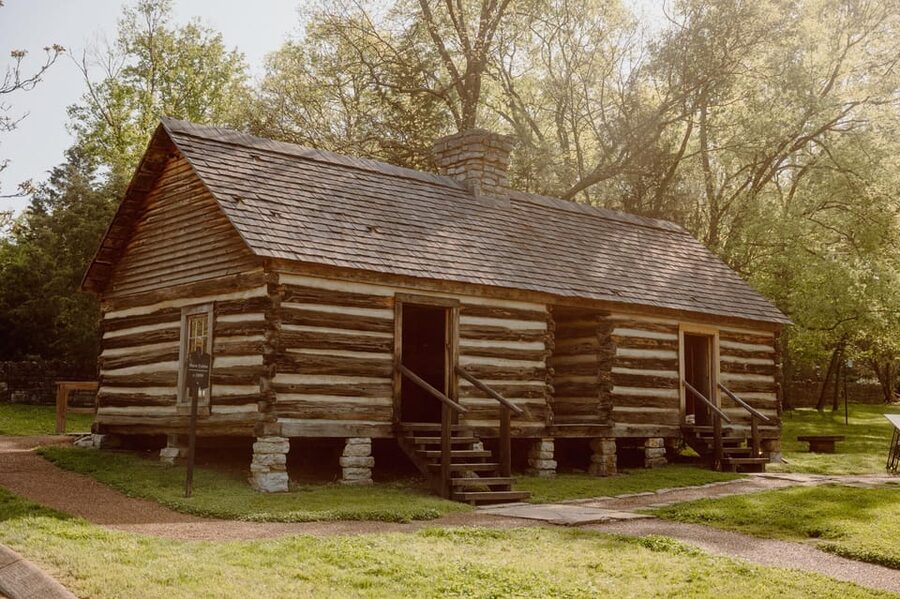
You’ll also get access to parts of the estate beyond the guided walk. The tour includes entry to the gardens, historic outbuildings, and walking trails, plus an outdoor game court, a gift shop, and two on-site restaurants.
This matters because it turns the visit into something flexible. If you want a few minutes to slow down after the tour’s heavier sections, you can do that on your own time in the outdoor spaces.
Just remember: because the central experience is walking-based, you should pace yourself. Bring water and plan to use the time between the tour and tasting as a chance to reset.
The Complimentary Wine Tasting at Belle Meade Winery (21+)
The tour wraps with a complimentary wine tasting at the Belle Meade Winery for guests 21 and over. It’s not a party. It’s more like a breather—an adult pause that lets your brain catch up after a serious history lesson.
Even if you’re not a big wine person, it’s a nice bonus because it keeps the experience from ending abruptly. You can take a few minutes, talk quietly, and reflect without needing to drive straight into the next stop.
If you do drink, keep it moderate and plan accordingly. The tour includes walking, and you’ll likely be on your feet longer than you expect.
Price and Value: Is $33 Actually a Good Deal?
At $33 per person for a 60-minute guided walking tour, the value comes from what you’re getting beyond the narration.
You’re not paying just for someone to talk. You’re paying for:
- a guided route through key historic areas
- access to gardens, trails, and outbuildings
- and a complimentary winery tasting for 21+
That combination is what makes the price feel fair. Many tours charge a similar amount for only the guided story, and you don’t usually get a meaningful on-site add-on like the tasting tied to the end of the experience.
Also, free parking and the ability to extend the visit on-site help stretch your time in Nashville. You can build a full afternoon without needing to hunt for a separate activity.
Who Should Book This Tour (and Who Might Want to Rethink It)
This is recommended for age 12 and older, with the warning baked in: the content is mature and sensitive. If your group includes kids who can handle serious topics respectfully, this may be a good choice. If you have a younger child who still needs softer, less intense history experiences, you might reconsider.
It’s also a fit if you like walking tours and you want a structured, research-based approach rather than a casual overview. And it’s especially worth it if you care about the larger story: not only slavery, but what came afterward through contract labor and the enduring legacy in industries like thoroughbred racing.
A few practical constraints to keep in mind:
- Pets aren’t allowed
- No wheelchair rental onsite
- service animals are permitted but must stay leashed
- outside food and beverages aren’t permitted
If any of those points are dealbreakers for your situation, plan around them before you commit.
Should You Book the Nashville Journey to Jubilee Tour?
I think you should book this tour if you want a plantation visit with honest context and a guide-led story that treats history as lived reality. The kitchen house start, the 1807–1865 timeline, and the inclusion of Black heritage in thoroughbred racing are strong reasons to choose it over a generic overview.
Skip it if you’re looking for light and scenic. This is serious material, and the walking format means you’ll be moving while you absorb it.
If you can handle that, though, this tour offers a rare kind of value: meaningful interpretation plus a complimentary winery tasting to help you land back in the present.
FAQ
How long is the Journey to Jubilee tour?
The guided walking tour is listed at 1 hour.
What does the tour cost?
The price is $33 per person.
Is the wine tasting included, and who can do it?
Yes, the tour includes a complimentary wine sampling at the Belle Meade Winery for guests aged 21 and over.
Where do I check in for the tour?
Check in at the Visitors Center at Tickets & Guest Services, to the right upon entry.
Is this tour suitable for kids?
It’s recommended for guests age 12 and older due to the mature and sensitive nature of the content.
Are pets or wheelchairs allowed on-site?
Pets aren’t allowed. There are no wheelchairs available for rent onsite, and service animals are permitted but must remain on a leash.
More of Nashville's Past
- Nashville Unveiled: The History, Music, and Hacks Tour!★ 5.0 · 278 reviews
- Nashville’s Historic Electric Bike Tour★ 5.0 · 189 reviews
- Nashville: Immersive E-Bike Tour of Music City’s History★ 4.8 · 99 reviews
- Civil War History Tour – The Battle of Franklin, Tennessee★ 4.9 · 85 reviews
- Legends of Music City Guided Historical Walking Tour★ 4.5 · 68 reviews
Another Historic Mansion to Tour
- Belle Meade Guided Mansion Tour with Complimentary Wine Tasting★ 4.5 · 2,189 reviews
- Journey to Jubilee Guided Tour at Belle Meade with Wine Tasting★ 4.5 · 396 reviews
- Belmont Mansion General Admission Ticket in Nashville★ 4.5 · 251 reviews
- Nashville: Belle Meade Historic Mansion Tour★ 4.8 · 63 reviews
- Battle at Belle Meade Civil War Tour & Complimentary Wine Tasting★ 5.0 · 3 reviews
Fresh on the Nashville review desk





Belle Meade & Belmont Mansions, compared.
 ★ 4.5Belle Meade Guided Mansion Tour with Complimentary Wine TastingFrom $332,189 reviews
 ★ 4.5Journey to Jubilee Guided Tour at Belle Meade with Wine TastingFrom $33396 reviews
 ★ 4.5Belmont Mansion General Admission Ticket in NashvilleFrom $18251 reviews
 ★ 4.8Belle Meade Historic Mansion TourFrom $3363 reviews
 ★ 5.0Battle at Belle Meade Civil War Tour & Complimentary Wine TastingFrom $333 reviews
Browse the lists this tour appears in