Reviewed · NASHVILLE
Civil Rights Tour Of Nashville
Country music hides a civil rights battlefield. This 2-hour Nashville walk turns familiar landmarks into lessons about how students helped drive non-violent change in the 1950s and 60s. I love the way the story stays human, not abstract, and you’ll get a close look at places tied to the Woolworth lunch counter sit-ins.
Two things I especially like: the guide work—Chiquita earns top marks for clear, inspiring storytelling—and the stop at the city’s library, including its Civil Rights room. One possible consideration: the tour notes wheelchair accessibility but also says it’s not suitable for wheelchair users, so check with United Street Tours before booking if you use a chair or need extra help.
In This Review
- Key Things You’ll Notice on This Nashville Civil Rights Tour
- Country Music City, Civil Rights Lessons
- Starting Point on 501 Broadway: Nashville Visitor Center
- The Woolworth Lunch Counter Sit-Ins Stop
- The Former Woolworths and the Meaning of Physical Change
- The City of Nashville Library Civil Rights Room
- How the Tour Connects Then and Now
- Rare and Off-the-Beaten-Path Nashville Stops
- The Pace: 2 Hours, Real Walking, Real Story
- Price and Value: Is $298 Worth It?
- Who This Tour Suits Best
- Should You Book the Civil Rights Tour of Nashville?
- FAQ
- Is the Civil Rights Tour of Nashville wheelchair accessible?
- Where does the tour meet?
- How long is the tour?
- What is the tour price?
- Is there a live guide?
- What should I bring?
- What’s included in the ticket price?
- Is there free cancellation?
- Can I reserve without paying right away?
- What does the tour focus on?
- What is the best fit for this tour?
Key Things You’ll Notice on This Nashville Civil Rights Tour

- The Woolworth lunch counter connection: sit-ins, racial segregation, and the physical spot where activists pushed back.
- Chiquita’s storytelling: a guided narrative that makes the tactics and organizing feel understandable and actionable.
- A practical link to today: you’ll talk through parallels between then-and-now diversity and inclusion.
- The City of Nashville library Civil Rights room: a dedicated space that gives the movement a place to live on.
- Rare, photo-friendly stops: an off-the-beaten-path approach that helps you see Nashville beyond the postcard stops.
More civil rights and Black history walks in Nashville
- Civil Rights Walking Tour of Nashville★ 5.0 · 23 reviews
- Nashville African American History & Civil Rights Walking Tour★ 5.0 · 11 reviews
- Civil Rights Tour Of Nashville★ 5.0 · 4 reviews
Country Music City, Civil Rights Lessons

Nashville is the kind of city that can make you think it’s all music and momentum. Then you take a step onto this Civil Rights Movement route and the tone changes fast. The tour’s basic idea is simple: Nashville mattered in the Civil Rights Movement, and you’ll see how student activists in the city’s predominantly black universities helped lead non-violent protests in the 1950s and 60s.
What I like here is that the tour doesn’t treat the movement like a sealed chapter in a textbook. You’re encouraged to connect past events to current conversations about race and equality. That makes the experience more than sightseeing. It’s a guided walk that presses on the question: what does fairness look like in real life, not just in speeches?
Also, the route is framed as a way to get well acquainted with Nashville. In practice, that means you’re not just rushing between famous sites. You’re learning what the city looked like and how people used public spaces—schools, lunch counters, civic buildings—to demand change.
Starting Point on 501 Broadway: Nashville Visitor Center
Your meet-up point is straightforward: the front door of the Nashville Visitor Center, 501 Broadway. It’s a good place to start because it anchors you right in the heart of the city and gives you an easy arrival point—especially if you’re mixing this with other Nashville plans.
The tour is led by a live English-speaking professional guide, and the walking portion is described as about 1.5 hours, with the overall tour lasting 2 hours. That timing matters because it sets expectations: this is not a slow, stop-every-30-seconds stroll. It’s paced enough to cover key Civil Rights stops while still leaving room for the story to land.
Bring comfortable shoes. You’ll thank yourself later. This isn’t about endurance, but you will be walking and standing enough to make footwear a real factor.
The Woolworth Lunch Counter Sit-Ins Stop
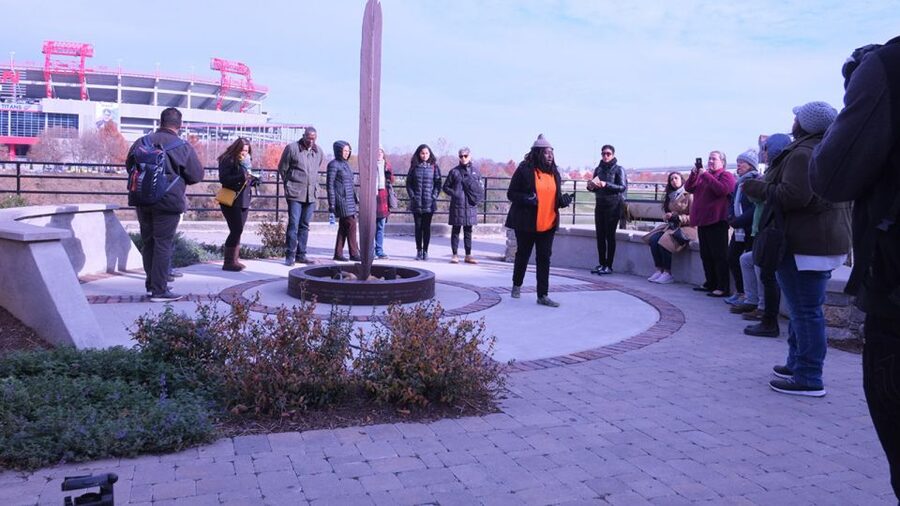
If you want one anchor point for the whole tour, it’s the Woolworth lunch counter. The tour invites you to sit with the story of the sit-ins—those non-violent protests where students challenged segregation by simply taking their place at a lunch counter and refusing to accept injustice.
This stop is powerful for a straightforward reason: the details are concrete. You’re not imagining what segregation felt like. You’re being guided to understand how the system worked, how activists responded, and how insisting on equal treatment became a form of public pressure that officials couldn’t ignore.
The tour also points to what came after. Today, the tour notes the new Woolworth reflects the change activists fought for. That matters because it adds closure without erasing the harm. You get to compare what was happening at the counter with what the site represents now—turning memory into something you can actually see.
Photo tip, purely practical: plan to take photos at angles that show context, not just close-ups. Lunch counters and storefront-level history look flat in pictures unless you capture surrounding surroundings, too. If your phone can handle it, get one wide shot for context and one close shot for the moment.



The Former Woolworths and the Meaning of Physical Change
The tour doesn’t only focus on the idea of Woolworth. It helps you understand the physical presence of the site—what used to be there, what visitors see now, and why activists targeted a place like this in the first place.
In a lot of history tours, you get plaques and captions. Here, the aim is different. The guide frames the Woolworth story as a reminder that activism isn’t just about speeches. It’s about where you go, who you confront, and how long you’re willing to keep showing up.
That’s why the contrast between former Woolworths and today’s Woolworth representation hits. You’re essentially watching a theme evolve: protest leads to outcome. Not perfectly, not instantly, but in ways that become visible later.
And yes, it’s a bit emotional. That’s the point. The tour’s tone is respectful, but it doesn’t soften the reality of the tactics, the risks, or the stakes.
The City of Nashville Library Civil Rights Room
One stop that comes up with real enthusiasm is the City of Nashville library and its Civil Rights room. This is the kind of place that can be easy to miss on a typical trip. Here, it becomes part of the core experience, not an optional bonus.
Why it matters: a dedicated room turns history into a lived space. Instead of treating the Civil Rights Movement as a story you consume and move on from, you’re given a room designed to hold it. That changes your pace. You slow down. You take in more than you plan to.
The guide helps connect what you’re seeing to what you’re learning about student activism and non-violent organizing. It’s not just information on a wall. It’s a guided explanation that helps the artifacts, references, and the overall focus of the room make sense as part of a wider citywide story.
If you enjoy tours where the guide gives you enough context to read better and understand more, this stop is a strong match.
How the Tour Connects Then and Now
A standout element of this tour is how it treats the Civil Rights Movement as American history, not just African American history. That framing is intentional. The tour explicitly reminds you the movement is part of the nation’s full story.
During the walk, the guide brings in parallels to what’s happening now in the world of diversity and inclusion. This isn’t presented as a vague message at the end. It’s woven into the experience so you’re thinking about cause and effect as you move between stops.
What I find valuable as a visitor is that the tour doesn’t leave you with only emotion. It points you toward understanding. You come away with questions that feel useful: how did students organize, what did non-violent protest depend on, and how do we keep translating those lessons into action today?
You can agree with every interpretation or not, but either way, you’ll leave with clarity. The tour is basically asking you to treat equality like a practical goal, not a distant ideal.
Rare and Off-the-Beaten-Path Nashville Stops
Part of the pitch is that you’ll see rare and unique attractions and that you’ll get a behind-the-scenes look at Music City from a different angle. In real-world terms, that means the route isn’t only built around the biggest, most obvious stops.
Even if you’ve been to Nashville before, this tour can still feel like a fresh way to experience the city. The Civil Rights lens naturally makes you look at Nashville differently: streets, institutions, and civic spaces become part of the narrative.
It also helps that the tour includes fun, informative guiding rather than a stiff, lecture-only style. When you’re walking through history at street level, you need a guide who can keep it understandable. The reviews highlight that Chiquita does exactly that—making the lunch counter sit-ins and the organizing behind them feel like a story you can follow.
And if you’re a photographer, the off-the-path emphasis is practical. You’ll find spots that give you more interesting visuals than a quick dash to the most crowded areas.
The Pace: 2 Hours, Real Walking, Real Story
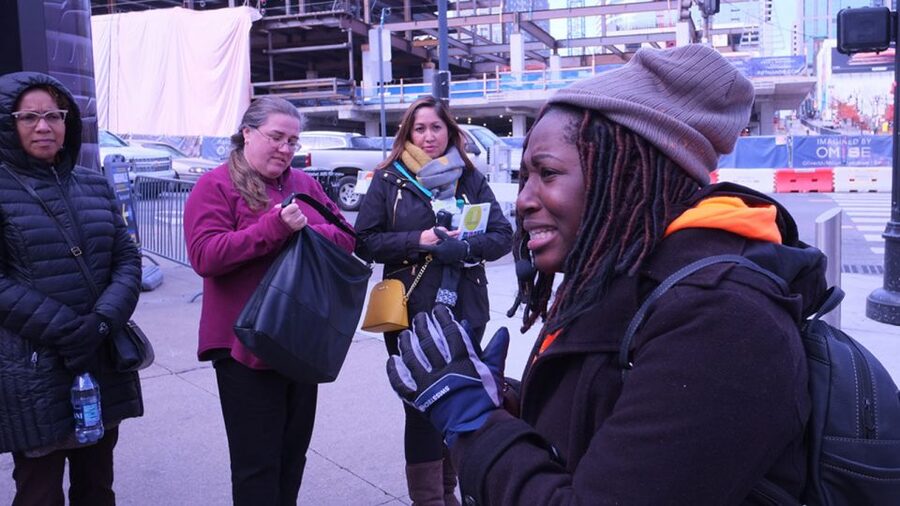
This is a 2-hour experience with a main walking portion described as about 1.5 hours. That makes it a good fit for a day where you want something meaningful but don’t want to lose half your day.
You also get a clear structure in your head. The tour spends real time on the core Civil Rights locations—especially Woolworth—then supports the story with additional significant stops like the Civil Rights room at the library. That balance helps you avoid the common problem of history tours that feel like they’re only one note.
As for group style, the data here doesn’t give an exact group size, so I won’t guess. I will say the tour is built for walking and discussion, so expect a conversational pace rather than a silent, head-down museum tour.
Price and Value: Is $298 Worth It?
At $298 per person for about 2 hours, this is not a cheap add-on. So the real question is value.
Here’s where the math gets more interesting. The tour includes a professional guide, and it lists entrance fees (if applicable). That means you’re paying for expertise plus access, not just for someone to lead you from point A to point B.
More importantly, the tour is designed around two things you can’t get from reading a poster or a blog post: storytelling and on-the-ground context. If you care about Civil Rights history—and you want it explained clearly while you stand in front of the relevant locations—then the price can start to feel reasonable.
If you’re the type who prefers doing everything solo with an audio guide, you might not feel the need for a guided walk at this cost. But if you want a guide who can make the sit-ins and organizing feel understandable and motivating, I think the price reflects that focused attention.
Who This Tour Suits Best
This tour is a good match if you:
- Want Civil Rights history in a city context, not as a generic lecture.
- Like guided storytelling and discussion, not just photos.
- Want to see how Nashville’s identity connects to national change.
- Appreciate respectful conversations about race and equality, including parallels to today.
It’s less ideal if you:
- Need a fully wheelchair-friendly route. The info is mixed, with one note saying wheelchair accessible and another saying not suitable for wheelchair users. Either way, you should confirm details in advance.
- Want minimal walking. This is a walking tour, so comfy shoes are a must.
Should You Book the Civil Rights Tour of Nashville?
My call: if Civil Rights history interests you—and you like the idea of standing at key sites like the Woolworth lunch counter while a strong guide explains what happened and why—it’s worth booking. The biggest selling points are the storytelling quality (with Chiquita specifically standing out) and the way the tour ties past activism to present-day diversity and inclusion conversations.
If you’re on the fence because of cost, think about what you’re buying. You’re paying for a guided, focused route with meaningful stops and an interpreter who helps you understand more than you could on your own.
If you have mobility needs, contact United Street Tours first. The accessibility notes don’t line up perfectly in the details provided, and you’ll sleep better with a clear answer.
FAQ
Is the Civil Rights Tour of Nashville wheelchair accessible?
The activity information says wheelchair accessible, but it also lists that it is not suitable for wheelchair users. Check with the provider before booking to confirm what that means for your situation.
Where does the tour meet?
Meet by the front door of the Nashville Visitor Center, 501 Broadway.
How long is the tour?
The tour is listed as lasting 2 hours.
What is the tour price?
The price is $298 per person.
Is there a live guide?
Yes, it includes a live tour guide in English.
What should I bring?
Wear comfortable shoes for walking.
What’s included in the ticket price?
A professional guide is included, plus entrance fees if applicable.
Is there free cancellation?
Yes. You can cancel up to 24 hours in advance for a full refund.
Can I reserve without paying right away?
Yes. The tour offers reserve now & pay later.
What does the tour focus on?
You’ll learn about the history of the Civil Rights Movement in Nashville, including non-violent student-led protests, and you’ll visit places tied to the Woolworth sit-ins and related Civil Rights locations.
What is the best fit for this tour?
It’s best if you want a guided, walking-focused way to learn Civil Rights history in Nashville and connect it to today’s diversity and inclusion conversations.
More Black History to Walk
- Civil Rights Walking Tour of Nashville★ 5.0 · 23 reviews
- Nashville African American History & Civil Rights Walking Tour★ 5.0 · 11 reviews
- Nashville Black History & Civil Rights Trail Tour★ 5.0 · 5 reviews