
Reviewed · HISTORICAL TOURS
Nashville Black History & Civil Rights Trail Tour
One neighborhood, many hidden stories.
This Nashville Black History & Civil Rights Trail tour turns the most visited stretch of downtown, Lower Broadway, into a focused, guided walk that connects past and present through real people and real conflicts. It runs about 2 hours, uses a mobile ticket, and keeps things simple: one main downtown area, one strong storyline, and a live guide leading the way in English.
What I like most is the attention to detail from the guide—especially the kind of delivery that keeps the facts moving and the context clear. One guide name that shows up in the feedback is Chakita Patterson, described as upbeat, energetic, and knowledgeable, with a knack for sharing little-known details while also pointing out the controversies that came with them. I also like that the group stays small, with a maximum of 20 people, which helps you ask questions and stay engaged instead of getting lost in the crowd.
The only real drawback to consider is that there’s no pickup or drop-off. You’ll need to get yourself to the start point at the Nashville Visitor Center (501 Broadway) and plan your own end location once the walk finishes.
In This Review
- Quick highlights
- Two hours that actually fit downtown: what to expect
- Lower Broadway: why this is a smart place to start
- What you might find challenging
- The guide is the product: how the story is delivered
- How to get the most from the live narration
- Group size (max 20) and why it affects your experience
- Included vs. not included: the practical value equation
- Where you start and where you end in downtown
- Weather matters more than you think
- If you’re new to Nashville, this tour helps you see the city differently
- A note on the broader United Street Tours lineup
- Should you book this Nashville Black History & Civil Rights Trail Tour?
- FAQ
- Where does the tour start?
- How long is the tour?
- Is the tour offered in English?
- Do I need to print a ticket?
- Is admission free or are there entrance fees?
- How many people are in a group?
- Do I get pickup or drop-off?
- What is the cancellation policy?
- What happens if the weather is bad?
Quick highlights
- Lower Broadway as the starting point: the tour anchors your walk on downtown Nashville’s most visited street.
- A live guide leads the story: you’re not watching a screen—you’re following a person who can answer questions.
- Small groups (max 20): it’s sized for discussion, not a big bus-style lecture.
- Strong civil rights context: the emphasis isn’t just on dates; it includes the conflicts and debates around events.
- No separate admission stress: admission is listed as free, and entrance fees are included if needed.
- Outdoors-friendly only in good weather: the experience requires decent conditions to run smoothly.
More civil rights and Black history walks in Nashville
- Civil Rights Walking Tour of Nashville★ 5.0 · 23 reviews
- Nashville African American History & Civil Rights Walking Tour★ 5.0 · 11 reviews
- Civil Rights Tour Of Nashville★ 5.0 · 4 reviews
Two hours that actually fit downtown: what to expect

This is a short, focused walk, not an all-day marathon. Expect about 2 hours (approx.), designed to get you grounded in downtown Nashville quickly. The pacing is built around seeing a concentrated area and hearing the story tied to what’s around you, so the “where” and the “why” land together instead of feeling like separate facts stitched onto a map.
Because it’s focused on one main downtown zone (Lower Broadway), you don’t need to spend your energy figuring out logistics across multiple neighborhoods. You can show up, get started, and let the guide build the thread. For many people, that’s the best kind of walking tour: it saves time and still gives you something to think about afterward.
The experience also uses a mobile ticket, so you can keep your phone ready and avoid last-minute printing issues. If you like straight-forward planning, this setup helps.
Lower Broadway: why this is a smart place to start
Lower Broadway is one of those places that’s easy to visit and easy to misunderstand. It’s well known as the most visited street in Nashville, so it can feel like a simple entertainment corridor—until someone reframes it.
On this tour, that reframing is the point. You’ll use Lower Broadway as your classroom, and you’ll learn black history and civil rights storylines connected to the city’s downtown life. Starting here matters because you’re not treating history as something that only happens in museums. You’re seeing how history shows up in ordinary daily spaces—where people socialize, work, shop, and gather.
A practical way to get more out of this part: slow down your eyes. Don’t just look at what’s there now. Stay alert for what the guide highlights. If the guide points out a particular thread, follow it with your attention like you’re trying to spot clues in a story.
What you might find challenging
Downtown walking can be uneven depending on where you end up on the route. The tour calls for moderate physical fitness, so it’s not for people who need fully flat, slow, stop-and-go movement. If you’re comfortable walking at a steady pace for about two hours, you’re likely in good shape.
More history walks around Nashville


The guide is the product: how the story is delivered
The guide experience is where this trail earns its strong reputation. The feedback I’m working from consistently praises guides for being energetic and for explaining more than what you’d get from plaques alone. In particular, Chakita Patterson is highlighted as up-beat, energetic, and knowledgeable, with a focus on little-known facts and the controversies tied to major events.
That last part matters. Civil rights history isn’t just a timeline of progress—it includes backlash, disagreement, and tough questions. When a guide acknowledges the controversies, it helps you understand why change wasn’t automatic or friction-free.
Also, a live guide can adapt. If you ask something basic—like why an event mattered in Nashville specifically—you can get an answer that connects local details to bigger national patterns. That’s hard to replicate with a self-guided audio tour.
How to get the most from the live narration
Here’s what I’d do:
- Ask questions early, not at the end.
- If a point sounds like it’s building to something, wait for the guide’s next connection.
- Don’t treat it like a facts-only test. Treat it like a story where each stop adds one more reason the next scene matters.
Group size (max 20) and why it affects your experience
With a maximum of 20 travelers, this tour sits in the sweet spot between personal and crowded. It’s large enough that you’re not worried about having to fill awkward silence, but small enough that the guide can keep track of the group and still address questions.
This also helps with atmosphere. Civil rights and black history deserve attention, not a rushed shuffle. A small group makes it easier to stay respectful and focused without feeling like you’re part of a loud street-side parade.
If you’re someone who likes interaction, you’ll probably feel more comfortable here than on giant walking groups where your question gets swallowed. If you prefer quieter learning, the smaller size also helps the guide keep control of tone and pacing.
Included vs. not included: the practical value equation
This tour includes a live guide and entrance fees if applicable. It’s also listed with admission as free, which usually means you’re not paying for a separate ticketed attraction on top of the walk.
Where this matters is value. The time investment is primarily paying for the guide’s storytelling and the structure of the route. In other words, you’re not stuck juggling additional costs mid-walk, and you can focus on what you came for.
What’s not included: gratuities are optional. That’s normal for walking tours, but I like to think of it as a simple choice: if the guide makes history feel human and clear, tipping is a straightforward way to say thanks.
Also not included: pickup and drop-off. This is less about money and more about planning. You’ll want to arrive near the start with enough buffer to feel settled, not hurried.
Where you start and where you end in downtown
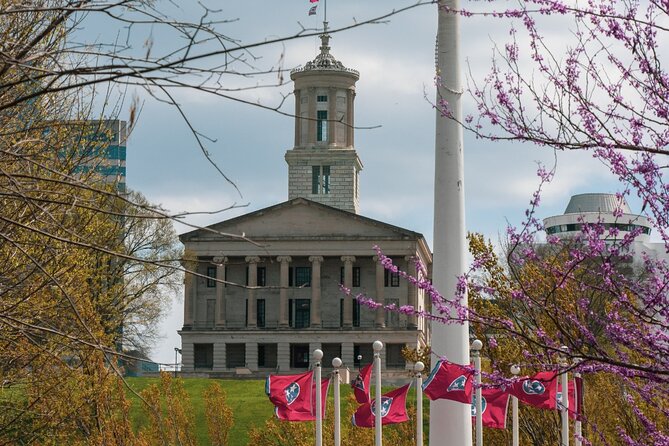
You’ll meet at the Nashville Visitor Center, 501 Broadway, Nashville, TN 37203. That’s a helpful anchor point because it’s an easy-to-find hub for downtown foot traffic. The tour ends in Nashville (the exact end spot isn’t specified here), so plan on finishing your last stretch on your own.
Two smart planning moves:
- Build in a little time for reorienting after the tour ends. Downtown can be a maze if you’re not expecting it.
- Decide in advance how you’ll get back—especially if you’re aiming for another stop or dinner. The tour is near public transportation, so you may be able to connect quickly, but don’t assume every route will match your timing.
Weather matters more than you think
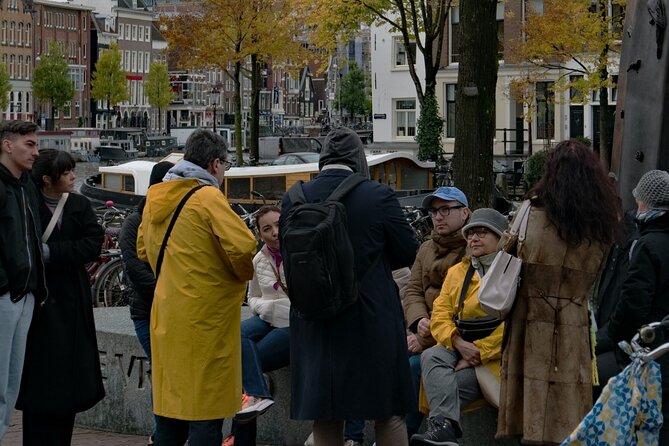
This is an outdoor walking experience, and it requires good weather. If conditions are poor, you’ll be offered a different date or a full refund. That means you should check forecasts close to departure.
My practical advice: if rain is in the forecast, bring the basics (a compact umbrella or a rain layer) and wear shoes that handle pavement. Even a light drizzle can turn a downtown walk into something you’ll feel in your socks.
If you’re new to Nashville, this tour helps you see the city differently
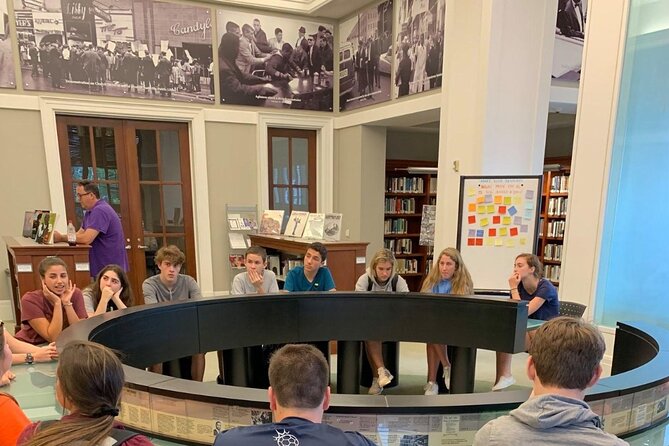
This is a strong choice if it’s your first trip to Nashville and you want more than the standard soundtrack-and-street-scene version of the city. The whole concept is to connect black history and civil rights to where you’re walking right now—Lower Broadway—so you leave with a sharper sense of place.
It’s also a good fit if you already live in Nashville or you’ve visited before. One piece of feedback highlights that a native Nashvillian learned a lot in a relatively short time. That’s a good sign for you if you think you already “know” downtown. A guide can shift your perspective fast.
And if you care about inclusion—about telling the full story of the nation, not just what fits neatly on familiar plaques—this kind of walk is built for that. One feedback notes it’s cutting-edge inclusion work while still being fun, which is a rare combo for heavy subject matter.
A note on the broader United Street Tours lineup
The company has a range of focused themes, and you may see connections if you compare different tours. For example, one review mentions a Slavery to Freedom Walking Tour covering the February 1960 student actions at lunch counters and movie theaters, involving students from Fisk University, Meharry Medical College, Tennessee State University, and American Baptist. If that kind of detail interests you, it can help you decide whether to pair this tour with another from the same provider on future days.
You don’t need to do that to enjoy this trail, but it’s useful context if you want a fuller multi-tour story arc.
Should you book this Nashville Black History & Civil Rights Trail Tour?
Book it if you want a short, high-impact downtown walk that uses Lower Broadway as a teaching tool. This is especially worth your time if you like a live guide who can explain both important facts and the controversies that come with them. The small group size (up to 20) is a real plus, and the structure avoids getting bogged down in extra-ticket logistics.
Skip it (or at least think twice) if getting to a specific meeting point and walking for about two hours doesn’t fit your day. Also, if weather is likely to be poor, you’ll need to watch plans carefully since the experience depends on good conditions.
If your goal is to understand Nashville beyond the usual highlights—while still keeping your schedule manageable—this trail is one of the easiest “yes” decisions you can make.
FAQ
Where does the tour start?
The tour starts at the Nashville Visitor Center, 501 Broadway, Nashville, TN 37203, USA.
How long is the tour?
The tour lasts about 2 hours.
Is the tour offered in English?
Yes, the tour is offered in English.
Do I need to print a ticket?
No. The tour uses a mobile ticket.
Is admission free or are there entrance fees?
Admission is listed as free, and entrance fees are included if applicable.
How many people are in a group?
This tour has a maximum of 20 travelers.
Do I get pickup or drop-off?
No. Pickup and drop-off are not included.
What is the cancellation policy?
You can cancel for free up to 24 hours in advance for a full refund.
What happens if the weather is bad?
The experience requires good weather. If it’s canceled due to poor weather, you’ll be offered a different date or a full refund.
More of Nashville's Past
- Nashville Unveiled: The History, Music, and Hacks Tour!★ 5.0 · 278 reviews
- Nashville’s Historic Electric Bike Tour★ 5.0 · 189 reviews
- Nashville: Immersive E-Bike Tour of Music City’s History★ 4.8 · 99 reviews
- Civil War History Tour – The Battle of Franklin, Tennessee★ 4.9 · 85 reviews
- Legends of Music City Guided Historical Walking Tour★ 4.5 · 68 reviews
More Black History to Walk
- Civil Rights Walking Tour of Nashville★ 5.0 · 23 reviews
- Nashville African American History & Civil Rights Walking Tour★ 5.0 · 11 reviews
- Civil Rights Tour Of Nashville★ 5.0 · 4 reviews
Fresh on the Nashville review desk





Historical Tours, compared.
 ★ 5.0Nashville Unveiled: The History, Music, and Hacks Tour!From $24278 reviews
 ★ 5.0Nashville’s Historic Electric Bike TourFrom $69189 reviews
 ★ 4.8Immersive E-Bike Tour of Music City’s HistoryFrom $6999 reviews
 ★ 4.9Civil War History Tour – The Battle of Franklin, TennesseeFrom $9385 reviews
 ★ 4.5Legends of Music City Guided Historical Walking TourFrom $3868 reviews
 ★ 4.8Franklin: Ghost Tour in Historic FranklinFrom $2565 reviews
 ★ 4.8Belle Meade Historic Mansion TourFrom $3363 reviews
 ★ 5.0Wander Nashville- Guided Historic Walking TourFrom $1055 reviews
Browse the lists this tour appears in