
Reviewed · DOWNTOWN WALKING TOURS
Nashville African American History & Civil Rights Walking Tour
Nashville tells its truth on foot. This Nashville African American History & Civil Rights Walking Tour mixes history, culture, and real street-level sightseeing, moving from the Nashville Visitor Center through key downtown stops and ending back where you started. I like that it doesn’t treat the topic like a museum-only subject; it connects the story to what you can see today, including Lower Broadway and a quick stop at the National Museum of African American Music.
Two things I especially like: the way the tour links landmarks to Nashville’s identity, and the focus on music as part of the bigger civil rights story. One thing to consider: it’s a solid walking block for about 2 hours, and it depends on good weather, so plan for comfy shoes and a backup day if rain hits.
In This Review
- Key highlights you’ll actually feel on the walk
- At Nashville Visitor Center: the walk starts with context
- Lower Broadway and its 30-plus bars: music first, then meaning
- National Museum of African American Music: why this stop hits
- Nashville Public Library and Davidson County Courthouse: civic stories
- Assembly Food Hall, Civil Rights Museum, and street murals
- Pace, group size, and what to wear for two hours
- Is the tour worth it? value and who it suits
- Should you book this Nashville history walk?
- FAQ
- How long is the Nashville African American History & Civil Rights Walking Tour?
- Where does the tour start, and does it end at the same place?
- What language is the tour offered in?
- Is a live guide included?
- How many people are in the group?
- Do I need a printed ticket?
- Are service animals allowed?
- What is the cancellation policy and what if weather is poor?
Key highlights you’ll actually feel on the walk
- Chiquita’s guide style: passionate, specific, and tied to what you’re looking at on the street.
- Lower Broadway, the music corridor: over 30 bars in one area—great for context, not just noise.
- National Museum of African American Music stop: a fast hit of sound and story right in the middle of the walk.
- Downtown civic anchors: Nashville Public Library and the Davidson County Courthouse help explain how change happens in public spaces.
- Murals and street art photo moments: colorful stops made for cameras, with stories attached.
Other guided walks around downtown Nashville
- Downtown Nashville Guided Sightseeing Walking Tour★ 5.0 · 1,304 reviews
- Walking Food & Drink Tour of Downtown Nashville★ 5.0 · 1,140 reviews
- Delicious Donuts of Nashville: A Sweet City Walking Adventure★ 5.0 · 979 reviews
- The Ghosts of Nashville Night-Time Walking Tour★ 4.5 · 799 reviews
At Nashville Visitor Center: the walk starts with context
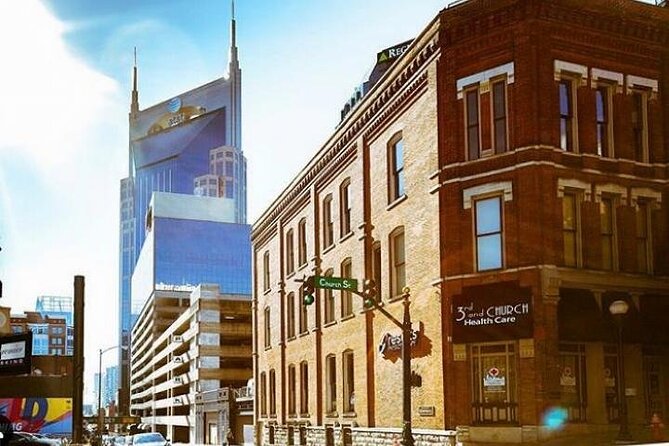
The tour begins at the Nashville Visitor Center (501 Broadway), and that matters more than you’d think. You’re not just being dropped into downtown and told to follow along—you get grounded first, so the rest of the route makes sense. From the start, the vibe is local: you’re moving through the city the way you would if you were trying to understand how Nashville became Nashville.
You’ll also notice the tour’s pacing is built around short, meaningful stops instead of long speeches. That’s a big plus for a two-hour experience. You’ll get to see the city’s key downtown landmarks and landmarks tied to African American history and the civil rights story, without feeling like you’re stuck in one place too long.
It’s also worth knowing you’ll be in a group of up to 30 people, which keeps the walk social but not chaotic. With a live guide, you can ask quick questions, and the route stays flexible enough to keep everyone together.
Practical note: you’ll be walking through downtown sidewalks, so if you’re choosing shoes for the day, think comfortable first. This is not a “rolling luggage” kind of experience.
Lower Broadway and its 30-plus bars: music first, then meaning
Lower Broadway is the part most people picture when they think of Nashville—blocks of music energy. The tour leans into that in a smart way. Yes, it’s a live-music zone (with over 30 bars in the area), but the point here isn’t to turn the walk into a nightlife crawl. It’s to use the street-level scene to talk about how culture, community, and opportunity evolved over time.
This is also where you’re likely to get some of the best street-photo opportunities. The route includes colorful street art and murals, and the guide’s job is to connect what you’re seeing to the people and events behind it. That’s how you avoid the classic problem of “pretty pictures with no meaning.”
I like this approach because Lower Broadway can be loud and visually busy. A guided walk gives you structure. You don’t have to figure out the story while also scanning for where to stand for photos, which direction to walk next, or how the stops connect.
One consideration: if you’re sensitive to crowds and noise, downtown can feel intense. The good news is the tour format is timed and guided, so you’re not stuck wandering while the city does its own thing around you.
National Museum of African American Music: why this stop hits
The tour includes a quick stop at the National Museum of African American Music. This is the kind of pause that changes how you feel about everything you’ve been hearing on the sidewalk. Music is more than entertainment—it’s memory, identity, and community expression. And in this spot, you get that idea without needing hours inside.
What makes this stop valuable on a walking itinerary is that it gives your brain a break and then refocuses you. Before this, you’re thinking about place and movement through the city. After it, you’re more likely to connect the cultural themes—sound, resilience, creativity—to the civic and historical landmarks you’ll see next.
You’ll also come away with a sharper sense of why music is part of civil rights history, not a side topic. The tour treats the “African American Music” angle as central, which is exactly what makes this itinerary feel different from a basic downtown history walk.
If you’re the type who likes to learn through audio and cultural context, this stop is a strong reason to book. It’s brief enough to keep the pace, but meaningful enough to stick.
More civil rights and Black history walks in Nashville

Nashville Public Library and Davidson County Courthouse: civic stories
After the music stop, the tour turns toward public spaces—places where laws, records, and community life intersect. The Nashville Public Library and the Davidson County Courthouse are both on the route, and that’s a useful shift in perspective. It moves the conversation from culture-as-expression to culture-as-structure—how communities shape (and are shaped by) rules, institutions, and public decisions.
Even if you don’t spend lots of time inside every building, the guide helps you read the city like a living document. Libraries and courthouses represent access to information and access to justice—two themes that show up again and again in civil rights stories.
I also appreciate that the tour doesn’t keep everything in the past tense. The story is about how Nashville went from a segregated farm town to a highly desired city. That kind of change is not one event—it’s a long chain of choices, conflicts, and organizing. Public civic sites are a logical place to talk about that.
One practical tip: these are downtown stops where the environment can be busy. If you want photos, be ready for short waits while the group gathers. The guide will keep you moving, but you may want to keep your camera strap accessible rather than digging for it.
Assembly Food Hall, Civil Rights Museum, and street murals
Between the anchor landmarks, the walk builds in the “you can feel it” moments. The tour includes a stop to Assembly Food Hall, where you’ll get background on local food—one of those everyday cultural experiences that can be easy to overlook when you’re focused only on history.
It also includes time at the Civil Rights Museum, framed around the story of local heroes. This is where the emotional weight increases. The guide’s job is to keep it grounded and clear—what happened, why it mattered, and how the people involved changed outcomes.
Then there are the photo stops: colorful street art and murals. These aren’t just backdrops. The tour uses them as visual chapter breaks. You can take pictures, yes, but you’ll also learn what those images point to. That’s what transforms a mural into a lesson.
I like how this mix prevents the tour from becoming one-note. If you only chase history facts, the story can feel distant. If you only chase music and nightlife, it can feel like a fun day with no deeper context. This itinerary tries to give you both, without forcing either one to do the work of the other.
Pace, group size, and what to wear for two hours
This walking tour lasts about 2 hours and includes a live guide. It’s capped at a maximum of 30 people, which helps keep it manageable. You’re also told to have a moderate physical fitness level, so think of it as a steady downtown walk, not a marathon and not a stroll where you stop every 10 minutes.
Because it’s near public transportation, it’s easy to fold into a bigger Nashville plan. You start at the Nashville Visitor Center and end back at the same meeting point, which makes it simpler to grab food or head to your next activity without confusion.
For gear, I’d plan like it’s a normal city walking day: comfortable shoes, weather-appropriate layers, and water if it’s warm. The tour also requires good weather. If rain or poor conditions cancel it, you’ll be offered a different date or a full refund.
Finally, bring your patience for downtown sidewalks. Even with a guided route, you’re sharing space with other people and street traffic. The guide keeps the group together, but the city is still the city.
Is the tour worth it? value and who it suits
Since the tour includes a live guide and uses a mobile ticket, you’re not spending extra time on logistics. You also get a tightly connected route through major downtown stops tied to African American history and civil rights themes. That combination is the core value: meaningful context plus actual sightseeing.
I’d put this in the “book it if you want perspective” category. If you want Nashville as a simple checklist—music venues only, then dinner—this won’t be the best fit. But if you want a guided, human explanation of how the city’s identity was shaped, it’s a strong option.
It’s especially well-suited for:
- People who like learning history through real places, not just plaques
- Anyone interested in how music connects to civil rights and community identity
- Visitors who want a structured 2-hour downtown plan
One more thing: the guide matters. The tour features Chiquita, and her approach is described as passionate and highly engaged. That usually means better pacing, clearer storytelling, and more moments where you understand why you’re standing where you’re standing.
Should you book this Nashville history walk?
If your goal is to understand Nashville with depth while still enjoying the city streets, I’d say yes. This tour gives you a short, efficient route—two hours—with a live guide, major downtown touchpoints, music context at the National Museum of African American Music, and photo-friendly mural stops. Add in the Civil Rights Museum and the Assembly Food Hall background, and you get both head and heart in one walk.
If you dislike walking in crowds or you know you’ll struggle in bad weather, it’s the kind of plan to book with a flexible mindset. But for the right traveler, this is one of the best ways to get a clearer sense of how Nashville’s past and present connect.
FAQ
How long is the Nashville African American History & Civil Rights Walking Tour?
It runs for about 2 hours (approx.).
Where does the tour start, and does it end at the same place?
It starts at the Nashville Visitor Center, 501 Broadway, Nashville, TN 37203, and ends back at the meeting point.
What language is the tour offered in?
The tour is offered in English.
Is a live guide included?
Yes, the tour includes a live guide.
How many people are in the group?
The tour has a maximum of 30 travelers.
Do I need a printed ticket?
No. It uses a mobile ticket.
Are service animals allowed?
Yes, service animals are allowed.
What is the cancellation policy and what if weather is poor?
You can cancel for a full refund up to 24 hours in advance. If the tour is canceled due to poor weather, you’ll be offered a different date or a full refund.
More of Nashville's Past
- Nashville Unveiled: The History, Music, and Hacks Tour!★ 5.0 · 278 reviews
- Nashville’s Historic Electric Bike Tour★ 5.0 · 189 reviews
- Nashville: Immersive E-Bike Tour of Music City’s History★ 4.8 · 99 reviews
- Civil War History Tour – The Battle of Franklin, Tennessee★ 4.9 · 85 reviews
- Legends of Music City Guided Historical Walking Tour★ 4.5 · 68 reviews
More Black History to Walk
- Civil Rights Walking Tour of Nashville★ 5.0 · 23 reviews
- Nashville Black History & Civil Rights Trail Tour★ 5.0 · 5 reviews
- Civil Rights Tour Of Nashville★ 5.0 · 4 reviews
More Nashville on Foot
- Downtown Nashville Guided Sightseeing Walking Tour★ 5.0 · 1,304 reviews
- Walking Food & Drink Tour of Downtown Nashville★ 5.0 · 1,140 reviews
- Delicious Donuts of Nashville: A Sweet City Walking Adventure★ 5.0 · 979 reviews
- The Ghosts of Nashville Night-Time Walking Tour★ 4.5 · 799 reviews
- “Murder in Music City” Night-Time Ghost Walking Tour of Nashville★ 4.5 · 742 reviews
Fresh on the Nashville review desk





Downtown Walking Tours, compared.
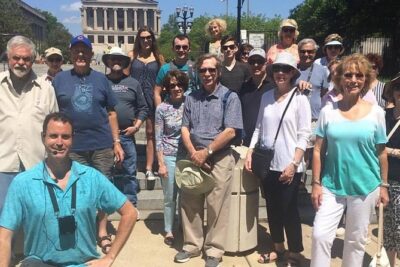 ★ 5.0Downtown Nashville Guided Sightseeing Walking TourFrom $251,304 reviews
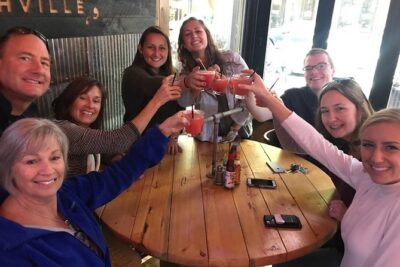 ★ 5.0Walking Food & Drink Tour of Downtown Nashville1,140 reviews
 ★ 5.0Delicious Donuts of Nashville: A Sweet City Walking AdventureFrom $75979 reviews
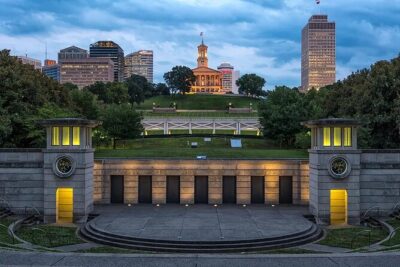 ★ 4.5The Ghosts of Nashville Night-Time Walking TourFrom $29799 reviews
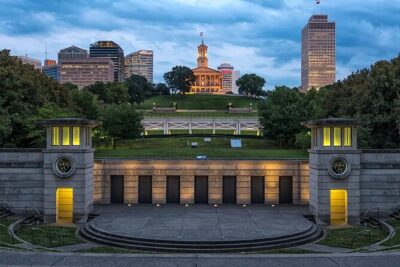 ★ 4.5“Murder in Music City” Night-Time Ghost Walking Tour of NashvilleFrom $34742 reviews
 ★ 4.5Guided Pub Crawl Walking Tour of Downtown NashvilleFrom $25713 reviews
 ★ 5.0Nashville’s Honky-Tonk Walking Sightseeing Pub CrawlFrom $31305 reviews
 ★ 4.5Haunted Nashville Boos and Booze Ghost Walking TourFrom $39262 reviews
Browse the lists this tour appears in