
Reviewed · DOWNTOWN WALKING TOURS
Civil Rights Walking Tour of Nashville
A short walk can change how you see a city. This Civil Rights Walking Tour of Nashville strings together landmark stops and street-level stories with a real human guide, not a screen. I like that it fits into a normal sightseeing day, and I like the guide’s mix of personal perspective plus historical context, which makes the lessons feel less like a lecture and more like understanding what shaped the places you’re standing in. One thing to consider: it’s about 2 hours on foot, so plan for moderate walking and time outdoors.
If you want to leave Nashville with a sharper understanding of why certain corners matter, this is a strong use of your time. You’ll start at a central spot by the riverfront action at the Nashville Visitor Center (501 Broadway) and end downtown, so it’s easy to keep moving after. Keep in mind the group is capped at 30, which is great for comfort, but it can still feel like a crowd at the most popular photo moments.
In This Review
- Quick hits before you go
- Why a 2-Hour Civil Rights Walk Fits Nashville So Well
- Where You Start: Nashville Visitor Center at 501 Broadway
- United Street Tours: A Guide Who Brings the Human Side
- Witness Walls: Stop for the Stories at Street Level
- Davidson County Courthouse: History Where Decisions Were Made
- National Museum of African American Music: Culture as a Form of Recordkeeping
- The Library Moment: Why a Civil Rights Exhibition Can Hit Hard
- Pacing, Comfort, and the Value of a Max-30 Group
- Mobile Ticket and Public Transit: Make It Easy on Yourself
- What Makes This Tour Worth Your Time (Not Just Another Walk)
- Who This Tour Is Best For
- A Simple Plan for Your Day Around the Tour
- Should You Book This Civil Rights Walking Tour of Nashville?
- FAQ
- How long is the Civil Rights Walking Tour of Nashville?
- Where is the meeting point for the tour?
- Where does the tour end?
- Is the tour offered in English?
- Is food or drinks included?
- What’s included in the ticket price?
- Do I need hotel pickup or drop-off?
- Is there a limit on group size?
- What is the cancellation policy?
Quick hits before you go
- Two-hour format that works even on a packed Nashville day
- Small group size (max 30) for better questions and smoother pacing
- Professional guide included, with stories you’re unlikely to piece together on your own
- Witness Walls + courthouse + museum stops that connect different kinds of history
- Mobile ticket keeps the check-in simple and quick
- English tour with service animals allowed and easy access via public transit
Other guided walks around downtown Nashville
- Downtown Nashville Guided Sightseeing Walking Tour★ 5.0 · 1,304 reviews
- Walking Food & Drink Tour of Downtown Nashville★ 5.0 · 1,140 reviews
- Delicious Donuts of Nashville: A Sweet City Walking Adventure★ 5.0 · 979 reviews
- The Ghosts of Nashville Night-Time Walking Tour★ 4.5 · 799 reviews
Why a 2-Hour Civil Rights Walk Fits Nashville So Well
Nashville is big on music, but it’s also big on movement, power, and change. This tour gets you out of passive sightseeing and into pattern-spotting: how events, institutions, and community voices shape what you see today. Two hours sounds short, and it is. But the tour is designed to be time-efficient while still giving you real story beats at each stop.
I especially like that the format helps you understand the city as you move through it. When you connect the guide’s explanations to the actual buildings and public spaces around you, the information sticks. Instead of memorizing facts, you start recognizing how Nashville’s civil rights story played out in public life.
Where You Start: Nashville Visitor Center at 501 Broadway
The tour starts at the Nashville Visitor Center, 501 Broadway, Nashville, TN 37203. That’s a useful detail because you’re not hunting for a random meeting spot. It’s central, it’s easy to find, and it lines up well with other downtown plans before or after.
You should plan to arrive with a little slack. Even if check-in is quick, the main goal is to start calm and ready to walk. Also, since the tour ends downtown, it helps to think of this as a chunk of your day where you stay in the same neighborhood and let the guide do the connecting.
United Street Tours: A Guide Who Brings the Human Side
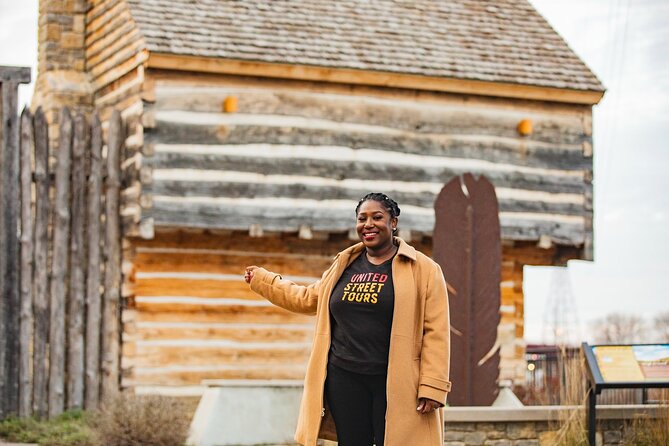
The walk is run by United Street Tours, and the big advantage of booking with a professional guide is obvious: you’re trading guesswork for interpretation. One review highlighted how the guide shared her own perspective alongside the historical perspective. That combination matters. Facts tell you what happened. Personal perspective helps you feel why it mattered and how people experienced it.
In another review, the guide named Lauren was described as sweet and full of great information. I take that as a signal that the tone is approachable, not stiff or overly formal. On a subject like civil rights history, the difference between a dry talk and a human, engaging guide is huge for staying focused.
And because this is a walking tour, you’ll get to ask questions in real time. That’s where you can clear up confusion quickly, rather than saving your questions until you’re back in your hotel.
More civil rights and Black history walks in Nashville



Witness Walls: Stop for the Stories at Street Level
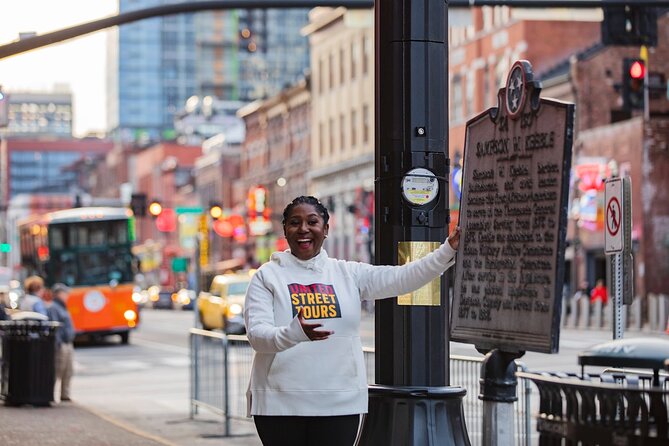
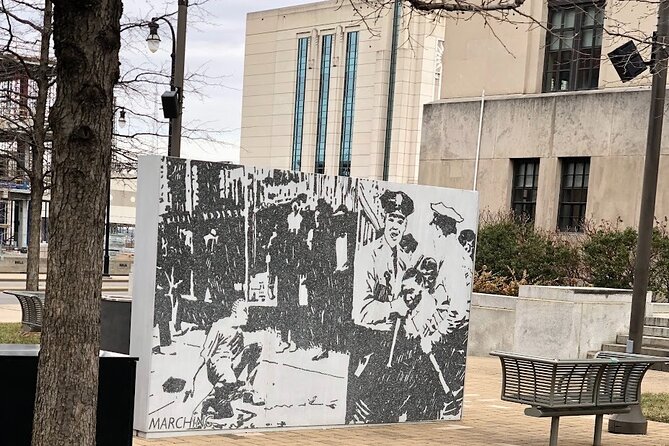
One of the key stops is The Witness Walls. Without assuming too much about what you’ll find there, I can tell you the value of this kind of location on a walking tour: it turns history into something you can read from where you stand. Memorial-style public artwork and message walls are made for looking, not for rushing past.
Here’s how I’d handle it as a visitor: slow down at this stop. Let the guide’s framing do the work, then spend a minute absorbing the details yourself. The tour format means you’ll have context first, but you still get your own moment to take it in.
Also, this is the kind of stop where photos can help later, but the main point isn’t the camera. The point is that the site gives you a physical reference for the stories you’re hearing—so you can remember the why, not just the what.
Davidson County Courthouse: History Where Decisions Were Made
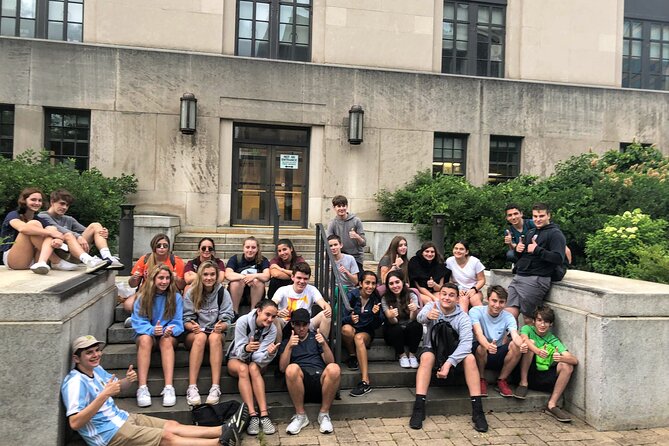
The Davidson County Courthouse is another major stop. Courthouses aren’t just buildings. They’re symbols of authority, and they shape the real lives of people through law, policy, and enforcement. On a civil rights walking tour, stopping here makes the history feel grounded.
I like that the tour includes places tied to civic power rather than only museums or memorials. When you pair a courthouse stop with the other locations on the walk, you start seeing a bigger picture: civil rights didn’t exist in theory. It played out through institutions, public rules, and legal pressure.
Practical note: courthouses often have their own rhythms—security checks, foot traffic, and general bustle. The best move is to follow your guide’s timing and instructions so the group stays together and you don’t lose the thread of the story.
National Museum of African American Music: Culture as a Form of Recordkeeping
The tour also stops at the National Museum of African American Music. This is a smart pairing with civil rights history because it adds a different kind of evidence: culture. Music and cultural expression aren’t only entertainment. They can be a way of documenting experience, shaping identity, and keeping voices alive.
I find that museums on walking tours work best when you treat them as story checkpoints, not as a time sink. You’re not trying to see everything in the museum on this two-hour schedule. Instead, you’re using the museum setting to understand how artistic life connects to social change.
You’ll likely leave feeling that the city’s civil rights story isn’t confined to one era or one type of place. It shows up in sound, memory, community, and public recognition.
The Library Moment: Why a Civil Rights Exhibition Can Hit Hard
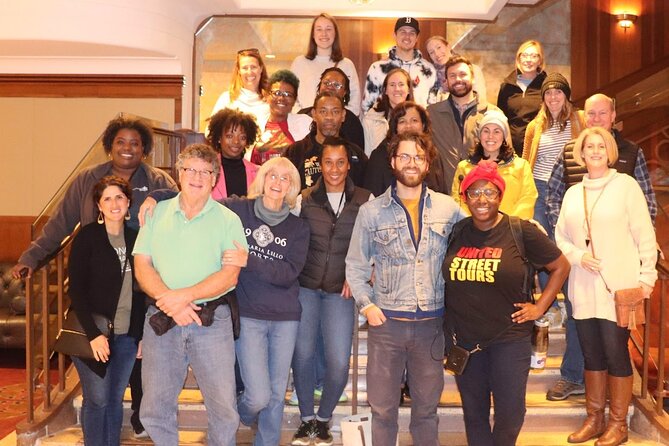
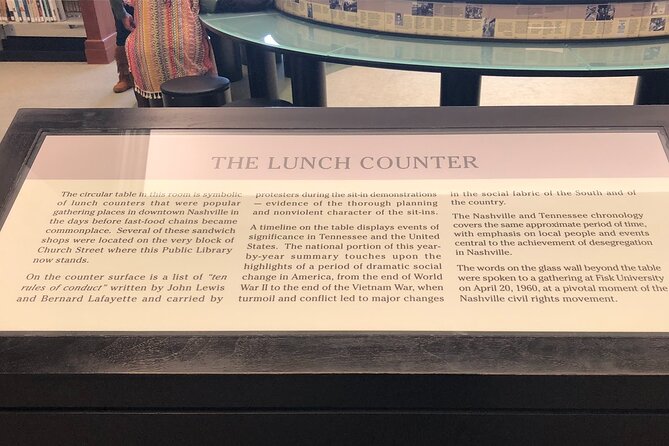
One review mentioned a standout experience: the civil rights room at a library and how much it added to the tour. That’s a strong clue that the tour includes at least one indoor, interpretive stop where you can slow down and read more deeply than you can outdoors.
For me, these rooms are often the most emotionally precise part of a guided tour. Outdoors you’re learning through location. Indoors you’re learning through curated details—names, timelines, and context. Even if you only spend a short amount of time there, it can give you the mental footing to understand the other stops.
If you’re the type who likes to connect facts to faces, make sure you pay attention in this indoor portion and don’t feel rushed. This is the part where you can actually build understanding, not just impressions.
Pacing, Comfort, and the Value of a Max-30 Group
This tour has a maximum of 30 travelers, which is large enough that you’ll meet other people, but small enough to keep the experience workable. I like group size like this because it keeps the guide moving at a steady pace without constantly playing crowd-control.
Physical fitness is listed as moderate. Translation: you should be comfortable walking for about two hours and standing during stop talks. Bring comfortable shoes. Nashville pavement can be deceptively hot or slippery depending on season, so plan for real walking, not museum-lobby strolling.
Also remember: you’re covering multiple stops, so you won’t have time to wander off and explore side streets for long. If you want to linger somewhere, do it after the tour ends.
Mobile Ticket and Public Transit: Make It Easy on Yourself
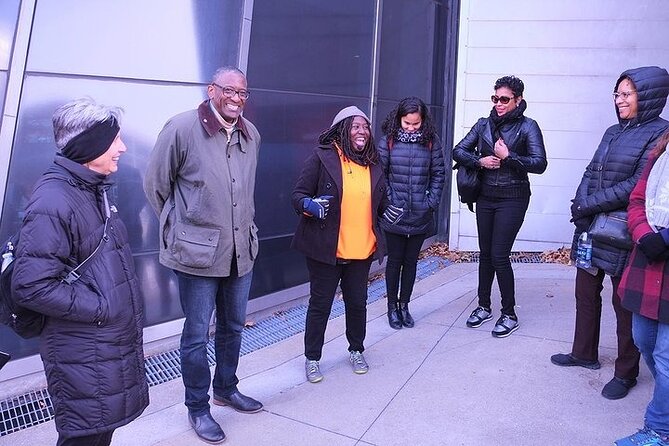
You get a mobile ticket, which is one less thing to manage. No paper voucher hunt. Just have your ticket ready on your phone and keep it accessible at the meeting point.
The tour is also noted as being near public transportation, which matters if you want to minimize driving or parking stress. Downtown Nashville can be a bit of a puzzle depending on when you go, so this is the kind of planning detail that can save your day.
What Makes This Tour Worth Your Time (Not Just Another Walk)
A lot of walking tours give you a list of stops and a few broad facts. This one seems to do better than that. The overall feedback emphasizes that the guide helped people understand what they were seeing and how the city connects to the civil rights movement. That’s the difference between a tour you enjoy and a tour that changes how you look at places.
Here’s what you should expect to feel by the end:
- The landmarks will stop being random and start acting like evidence.
- The guide’s blend of personal view and historical facts will help the story feel human.
- You’ll get a sense of how Nashville’s public spaces connect to civic change.
And because the pacing is described as well paced and diverse—mural-style visuals outdoors, major historic sites, plus an indoor civil rights exhibition—the tour avoids the boredom trap. You’re not stuck in one mode for two hours.
Who This Tour Is Best For
This is a great fit if you:
- Want a focused civil rights overview that doesn’t require deep prior knowledge
- Like learning while walking through real places, not just staring at panels
- Have limited time but still want more than a quick look
- Prefer guided context to help you interpret what you see
It’s also a good option for your first or second day in Nashville. First-time visitors often need a “map” in their heads. This tour can act like that map for civil rights landmarks.
If you’re a total history purist who wants exhaustive details at every stop, the two-hour format might feel like it moves fast. But if you want a solid understanding you can build on afterward, it’s a smart starting point.
A Simple Plan for Your Day Around the Tour
To get the best payoff, pair the tour with activities that don’t require a car right away. Since you start at the Nashville Visitor Center and end downtown, you can usually roll into nearby sightseeing or a meal without major travel.
One practical tip: keep expectations realistic about photos and browsing. The stops are part of a guided story chain. If you try to treat it like a scavenger hunt, you’ll miss the context. Let the guide lead. Then do your deep exploring after.
Also bring a water bottle if you’re sensitive to heat. Food and drinks aren’t included, so plan on your own. (This isn’t about suffering. It’s about staying comfortable enough to pay attention.)
Should You Book This Civil Rights Walking Tour of Nashville?
Yes, I think you should book it if you want a meaningful, time-efficient way to understand Nashville beyond music and downtown views. The combination of a professional guide, a small cap group size, and story-focused stops like Witness Walls, the Davidson County Courthouse, and the National Museum of African American Music is exactly the kind of value that makes a walking tour worthwhile.
I’d skip it only if you know you won’t do well with moderate standing and walking for about two hours, or if you’re looking for a totally self-paced experience. This tour works because it’s guided and structured. If you want freedom over direction, you might prefer an individual museum day instead.
If you book, show up early enough to settle in. Bring comfortable shoes. And give the guide your attention at each stop. This is one of those tours where what you learn depends a lot on how present you are while the city is right in front of you.
FAQ
How long is the Civil Rights Walking Tour of Nashville?
The tour runs for about 2 hours (approx.).
Where is the meeting point for the tour?
You meet at the Nashville Visitor Center, 501 Broadway, Nashville, TN 37203, USA.
Where does the tour end?
The tour ends in downtown Nashville, TN, USA.
Is the tour offered in English?
Yes, the tour is offered in English.
Is food or drinks included?
No. Food and drinks are not included.
What’s included in the ticket price?
The tour includes a professional guide.
Do I need hotel pickup or drop-off?
No. Hotel pickup and drop-off are not included.
Is there a limit on group size?
Yes. The tour has a maximum of 30 travelers.
What is the cancellation policy?
This experience is non-refundable and cannot be changed for any reason.
More Black History to Walk
- Nashville African American History & Civil Rights Walking Tour★ 5.0 · 11 reviews
- Nashville Black History & Civil Rights Trail Tour★ 5.0 · 5 reviews
- Civil Rights Tour Of Nashville★ 5.0 · 4 reviews
More Nashville on Foot
- Downtown Nashville Guided Sightseeing Walking Tour★ 5.0 · 1,304 reviews
- Walking Food & Drink Tour of Downtown Nashville★ 5.0 · 1,140 reviews
- Delicious Donuts of Nashville: A Sweet City Walking Adventure★ 5.0 · 979 reviews
- The Ghosts of Nashville Night-Time Walking Tour★ 4.5 · 799 reviews
- “Murder in Music City” Night-Time Ghost Walking Tour of Nashville★ 4.5 · 742 reviews
Fresh on the Nashville review desk





Downtown Walking Tours, compared.
 ★ 5.0Downtown Nashville Guided Sightseeing Walking TourFrom $251,304 reviews
 ★ 5.0Walking Food & Drink Tour of Downtown Nashville1,140 reviews
 ★ 5.0Delicious Donuts of Nashville: A Sweet City Walking AdventureFrom $75979 reviews
 ★ 4.5The Ghosts of Nashville Night-Time Walking TourFrom $29799 reviews
 ★ 4.5“Murder in Music City” Night-Time Ghost Walking Tour of NashvilleFrom $34742 reviews
 ★ 4.5Guided Pub Crawl Walking Tour of Downtown NashvilleFrom $25713 reviews
 ★ 5.0Nashville’s Honky-Tonk Walking Sightseeing Pub CrawlFrom $31305 reviews
 ★ 4.5Haunted Nashville Boos and Booze Ghost Walking TourFrom $39262 reviews
Browse the lists this tour appears in